
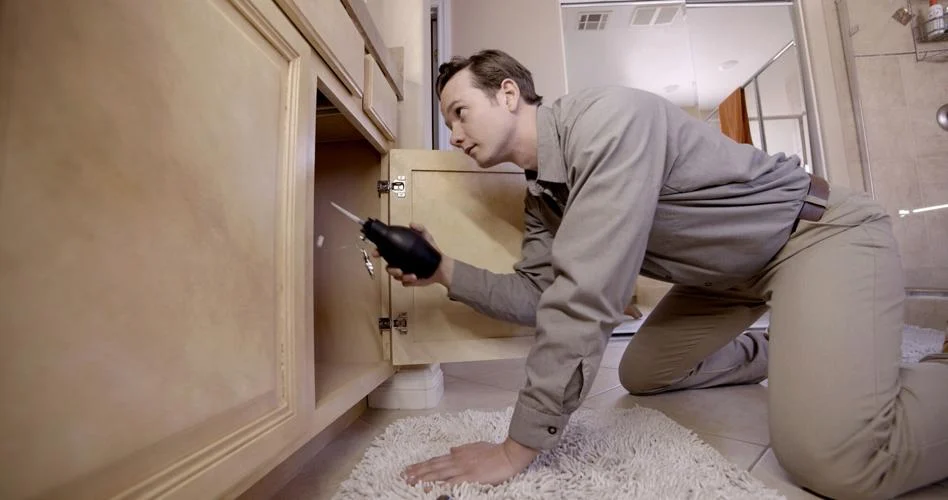
Pests rarely appear indoors without a route. In Southern Utah, heat, moisture, irrigation, shade, and seasonal movement can push ants, cockroaches, earwigs, spiders, scorpions, rodents, termites, mosquitoes, and bed bugs closer to homes. Once they find a gap, crack, vent, or unprotected opening, the outside problem can become an indoor concern.
Professional pest control begins by identifying how pests are getting in, not only where they are being seen. A spider in the garage, an ant trail near the kitchen, or rodent noise in the wall may point to an entry point somewhere else. Understanding the most common access routes helps homeowners recognize when a closer inspection is needed before activity spreads into more rooms.
Door And Window Gaps
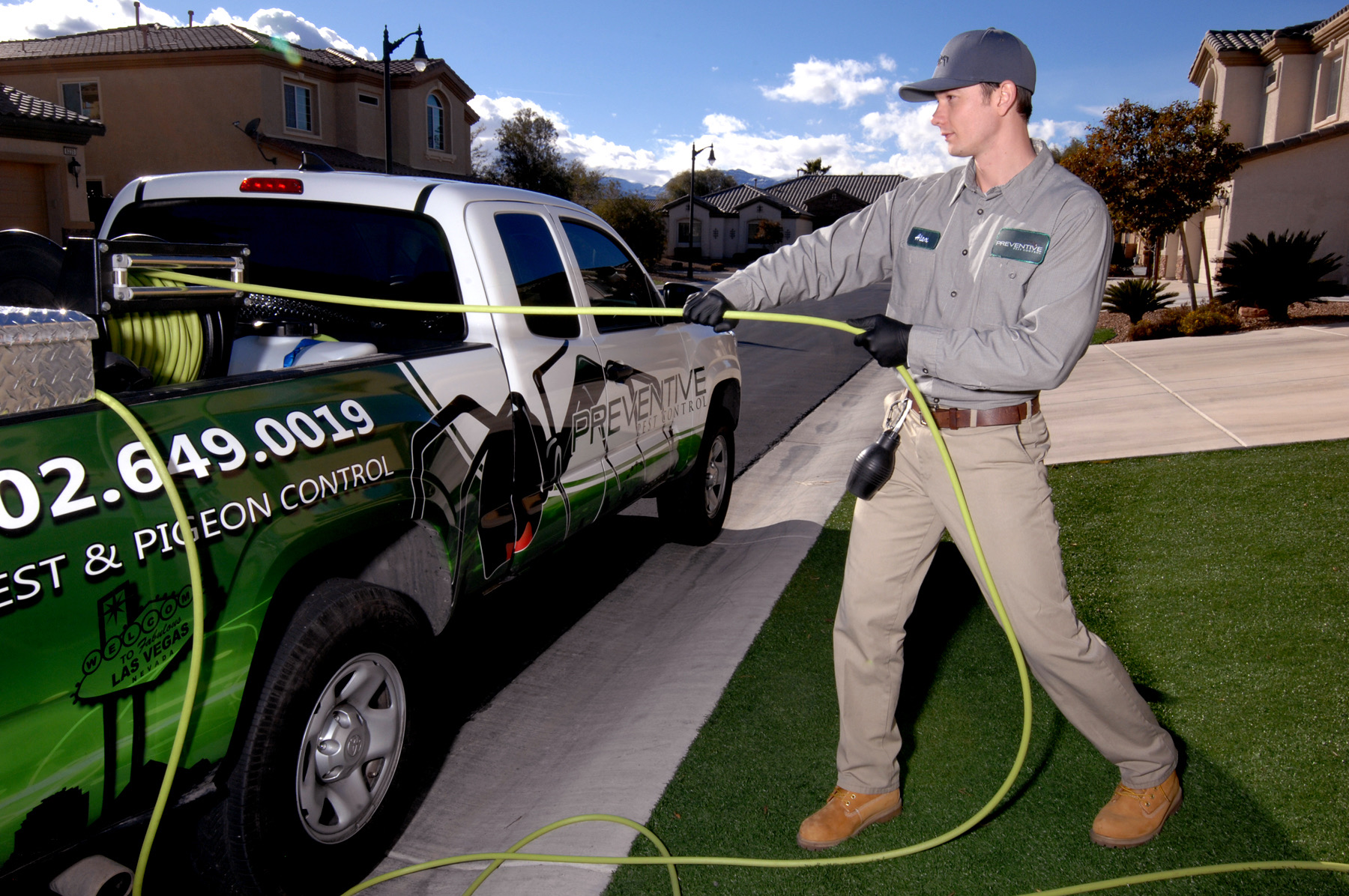
Doors and windows are among the easiest routes for pests because they are used every day and wear down over time. Small spaces under exterior doors, loose weatherstripping, torn screens, window frame gaps, and sliding-door tracks can allow pests to move inside.
- Door sweeps can loosen and create low-level access for crawling pests.
- Window screens may tear or pull away from the frame.
- Sliding-door tracks can collect debris and leave small pest routes.
- Garage side doors may leave gaps that connect outdoor pressure to storage areas.
Ants, cockroaches, spiders, earwigs, scorpions, and rodents can all use these areas when conditions outside become uncomfortable. A professional inspection can confirm whether these gaps are active entry points or only maintenance concerns.
Cracks And Hidden Openings
Small cracks can matter more than homeowners realize. Foundation gaps, stucco cracks, utility penetrations, pipe openings, crawl-space edges, and spaces around exterior wiring may look minor, but pests can use them as protected travel routes. These openings are often missed because they are low, shaded, behind landscaping, or tucked near equipment.
This is where hidden infestations become a concern. A visible pest may be only the final sign of activity that began in a wall void, garage corner, attic edge, or foundation gap. Cockroaches may follow moisture and warmth. Rodents may explore openings near utilities. Scorpions and spiders may move through cracks while following prey.
A careful inspection connects indoor sightings with exterior access, which makes treatment more precise.
Vents, Rooflines, And Utility Areas
Many entry points are above eye level or behind mechanical features. Roofline gaps, attic vents, dryer vents, weep holes, plumbing access points, and utility boxes can all create openings. These areas are especially important because they may lead directly into attics, wall spaces, laundry rooms, garages, or utility closets.
- Attic vents can allow insects or rodents into protected spaces.
- Dryer vents may attract pests if covers are damaged or loose.
- Roofline gaps can hide movement until sounds or droppings appear.
- Utility boxes can create sheltered routes along exterior walls.
These access points can affect several pest issues at once. Rodents may use higher routes. Spiders may build where insects gather. Termites may become a concern where moisture and wood are nearby. Professional evaluation helps determine whether the entry point is connected to active pest pressure.
Moisture Zones Near The Foundation
Southern Utah homes often rely on irrigation, shaded landscape beds, and outdoor water use to keep yards comfortable. Unfortunately, moisture near the foundation can draw pests toward the structure. Damp soil, planters, mulch, leaking hose bibs, clogged drains, and overwatered areas can support pest movement close to doors and cracks.
A guide to early warning signs shows why small clues should not be ignored. Ant trails, droppings, webbing, noises, damage, and recurring sightings can all point to a problem before it becomes obvious. When these signs appear near damp exterior areas, the entry route may be nearby.
Moisture can attract ants, cockroaches, earwigs, mosquitoes, rodents, termites, spiders, and scorpions. Treating indoors alone may miss the exterior reason pests keep approaching.
Storage, Garages, And Exterior Clutter
Garages, sheds, patios, and storage zones often sit between the yard and the home. They can provide shade, shelter, nesting material, and easy access to interior spaces. Boxes, tools, outdoor furniture, pet supplies, firewood, and stacked items can hide pest activity until it becomes noticeable.
- Garages can provide protected shelter for rodents, spiders, scorpions, and earwigs.
- Stored boxes may hide droppings, webbing, nesting material, or insect activity.
- Patio clutter can create shaded spaces close to doors and windows.
- Firewood and yard debris can draw pests toward walls and foundations.
These areas deserve special attention because they often connect outdoor pest pressure to indoor living spaces. One sighting may not reveal the full pattern. When the same areas show repeated pest activity, professional service can identify entry points, shelter conditions, and the best follow-up steps.
The most effective prevention plan looks at the full property. Doors, windows, cracks, vents, rooflines, utility openings, moisture zones, garages, and storage areas all work together. When those access points are found early, pest control becomes more targeted, efficient, and long-term.
Close The Gaps Before Pests Settle In
For pest control that identifies entry points, hidden activity, moisture sources, and recurring pest pressure around your home, contact Preventive Pest Control for support shaped around Southern Utah homes.