
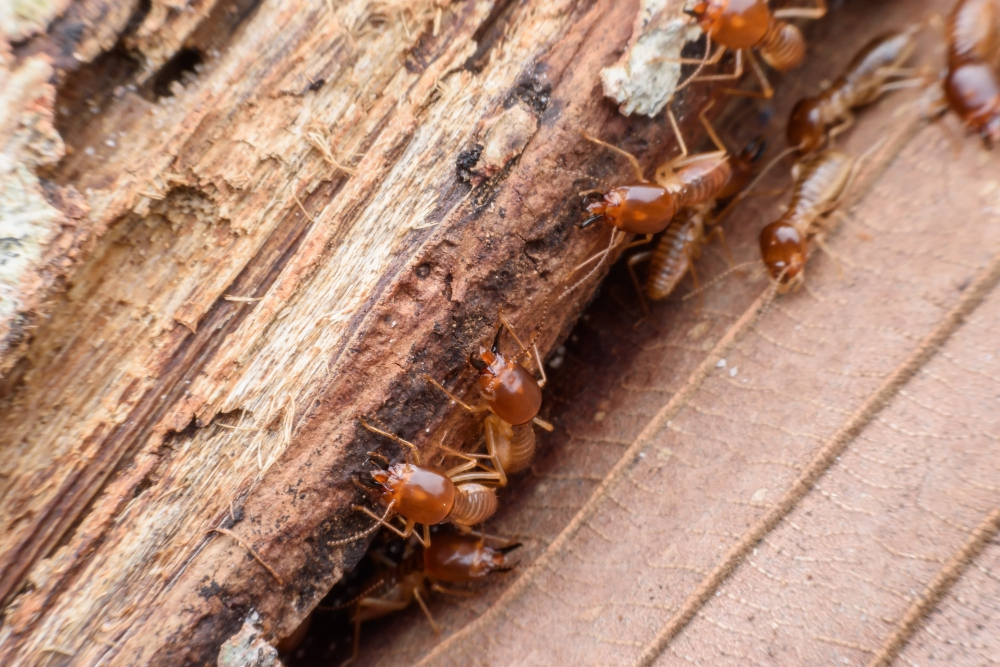
A termite infestation can develop quietly behind walls, beneath flooring, near slab edges, inside garage framing, or anywhere wood and moisture create favorable conditions. By the time obvious damage appears, termites may already have been active for months. Early recognition helps property owners arrange inspection before repair needs become more extensive.
Southern Nevada’s dry climate does not eliminate termite risk. Irrigation, plumbing leaks, shaded soil, damp wood, and hidden moisture can support activity around Las Vegas properties. Professionals evaluate the structure, moisture patterns, foundation edges, and damaged wood together. This approach helps separate termite signs from ordinary wear or unrelated damage.
Mud Tubes And Soil Routes Deserve Attention
Subterranean termites travel between soil and wood through protected mud tubes. These narrow, soil-colored lines may appear along foundation walls, slab edges, crawl-space supports, garage framing, or utility penetrations. Some tubes remain hidden behind stored items or landscaping.
Warning signs include:
- Pencil-width mud lines running upward from soil
- Fresh repairs to a tube after it has been disturbed
- Soil packed into cracks, joints, or wood connections
- Activity near damp foundation edges or irrigation zones
- Tubes extending toward framing, siding, or interior walls
A dry or broken tube does not prove the colony is gone. Technicians inspect nearby routes, wood, moisture, and soil conditions to determine whether activity is current and where treatment should begin.
Shed Wings Can Signal A Nearby Colony
Winged termites, called swarmers, leave established colonies to reproduce and form new ones. After a short flight, they shed their wings near windows, doors, lights, vents, or other exit points. Small piles of matching wings may be easier to notice.
The importance of Southern Nevada inspections becomes clear because swarm evidence may appear only briefly. A few wings can be swept away, while the parent colony remains hidden within soil or structural wood.
Termite wings are generally equal in length, unlike ant wings, which differ between the front and rear pairs. Professional identification prevents the wrong pest from being treated and helps determine whether the swarm originated indoors, near the structure, or from a distant outdoor source.
Wood Changes May Reveal Hidden Feeding
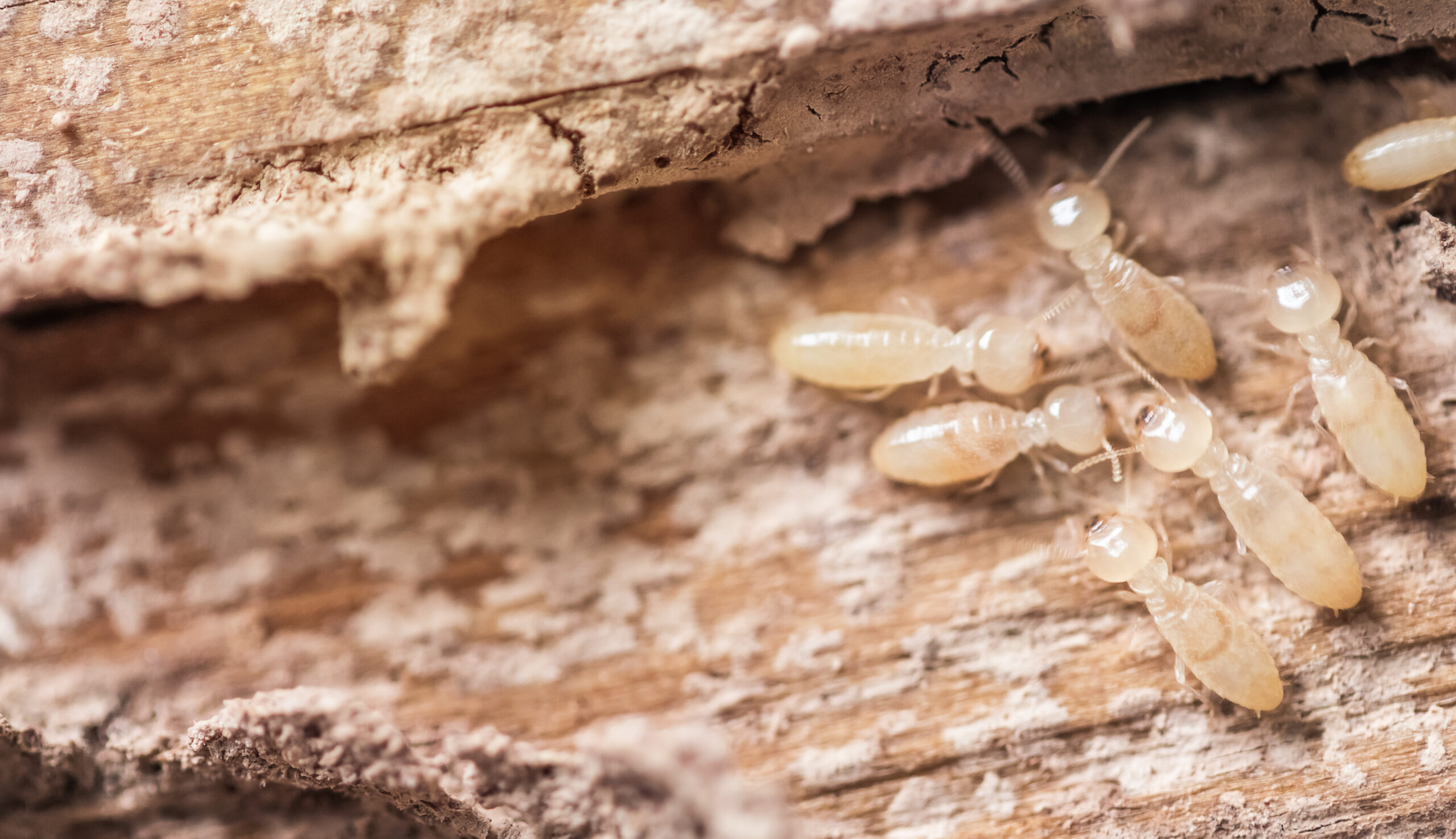
Termites often consume wood from the inside, leaving a thin outer surface that looks intact. Floors, trim, framing, windowsills, and garage wood may feel soft, blistered, or hollow when activity advances. Paint or wall coverings can also bubble when moisture and termite damage affect the material underneath.
Inspectors may look for:
- Wood that sounds hollow when lightly tapped
- Soft spots around trim, flooring, doors, or window frames
- Cracked, blistered, or uneven painted surfaces
- Frass or pellet-like material near drywood termite activity
- Wood that breaks open along internal galleries
These symptoms can overlap with water damage, rot, or construction defects. A trained evaluation confirms whether termites are present before treatment or repairs are planned.
Seasonal Activity Can Make Signs Easier To Notice
Spring warmth and changing moisture can increase visible pest movement around Las Vegas homes. Termite swarmers may appear during favorable weather, while irrigation and seasonal watering create damp soil near foundations. Other handled pests, including ants, cockroaches, scorpions, spiders, rodents, pigeons, mosquitoes, and bed bugs, may also become more noticeable as conditions change.
Understanding spring pest activity helps explain why accurate identification matters. Ant swarmers can resemble termites, and wood damage may have causes unrelated to insects. Professionals compare body shape, wings, droppings, mud tubes, wood galleries, and location before concluding.
A seasonal inspection may include:
- Checking slab edges, foundations, garages, and exterior wood
- Reviewing irrigation, leaks, drainage, and shaded soil
- Inspecting attics, crawl spaces, trim, and wall-side areas
- Separating old damage from fresh termite evidence
- Mapping activity before selecting treatment or monitoring
This property-wide review reduces guesswork and keeps recommendations connected to confirmed conditions.
Early Inspection Supports More Focused Treatment
Termite control works best when the treatment matches the termite type, activity level, construction, moisture, and access points. Depending on the findings, service may include targeted applications, baiting systems, wood treatments, monitoring, and follow-up support. One fixed method is not appropriate for every structure.
Property owners should avoid assuming that visible damage shows the full boundary of the infestation. Colonies may extend beyond one board, wall, or room. Repairing damaged wood before the activity is evaluated can also remove useful evidence or leave termites active nearby.
Professional inspection documents where signs are present and which areas remain vulnerable. Technicians can then recommend moisture correction, removal of wood debris, improved foundation visibility, or sealing around utilities after active routes are addressed. Follow-up helps confirm whether activity has declined and whether new evidence appears.
The earliest signs are often subtle, but they provide an opportunity to act before structural damage becomes easier to see. Mud tubes, shed wings, hollow wood, bubbling paint, frass, and swarm activity should be evaluated as connected evidence rather than isolated household annoyances.
Protect The Structure Before Damage Advances
Contact Preventive Pest Control for professional termite inspection, targeted treatment, monitoring, and long-term prevention tailored to your Las Vegas property.