
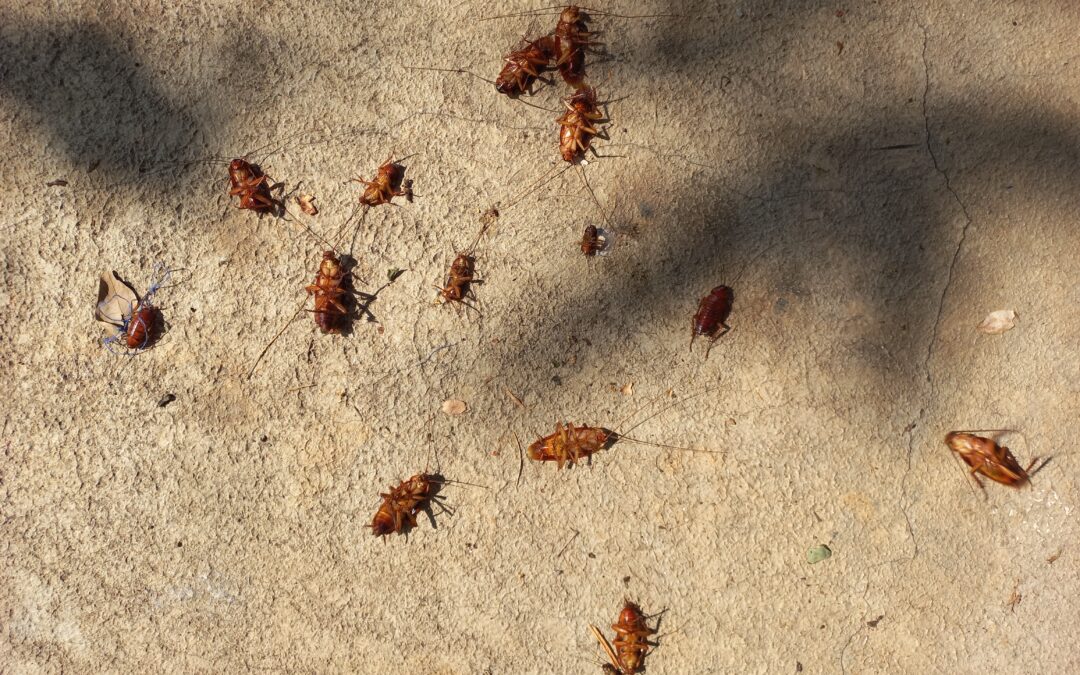
Weather conditions in St. George play a major role in how pests behave throughout the year. As temperatures rise or moisture levels shift, many pests begin searching for food, water, and shelter in more protected environments. This often leads them closer to homes and businesses, where stable indoor conditions provide ideal opportunities for nesting and survival.
What makes seasonal pest activity challenging is how quickly it can escalate. A few ants in the kitchen or occasional spider sightings may seem minor at first, but weather-driven changes can rapidly increase pest populations over time. Understanding how climate patterns affect pest behavior is an important part of long-term pest control and prevention.

Why Seasonal Weather Changes Increase Pest Activity
Most pests are highly responsive to environmental conditions. Unlike humans, they depend heavily on surrounding temperatures and moisture levels to survive and reproduce. Because of this, even moderate weather changes can influence how active they become.
In St. George, warm temperatures often trigger increased movement from ants, spiders, cockroaches, scorpions, rodents, mosquitoes, and termites. Spring and summer conditions create ideal breeding environments, allowing populations to expand more rapidly. Dry weather can also drive pests indoors as they search for water and cooler shelter.
Seasonal transitions affect pest behavior in less obvious ways as well. Sudden temperature fluctuations, rainfall, and humidity shifts can disrupt outdoor nesting areas, causing pests to relocate into more stable indoor spaces. Once activity develops indoors, infestations can become harder to control without a consistent strategy.
Weather Conditions That Commonly Trigger Pest Problems
- Rising spring temperatures. Warmer conditions increase breeding cycles and pest movement
- Dry outdoor environments. Pests move indoors searching for water and shelter
- Seasonal rainfall. Moisture encourages insect activity and nesting conditions
- Mild winter conditions. Some pests remain active longer throughout the year
- Sudden weather shifts. Rapid temperature changes increase migration indoors
These environmental changes create ongoing pressure that affects both residential and commercial properties. Even small weather variations can alter where pests gather and how quickly populations grow.
How Different Pests Respond To Climate Changes
Not every pest reacts to weather in the same way. Some pests thrive during hot, dry conditions, while others become more active when moisture levels increase. This variety is one reason pest activity can seem unpredictable throughout the year.
Ants often expand their colonies aggressively during warmer months when food becomes easier to access. Mosquitoes typically increase after rainfall or irrigation buildup creates standing water. Rodents may move indoors when outdoor resources become limited or temperatures become too extreme.
Spiders also become more noticeable as insect populations increase. Since many spiders rely on insects as their primary food source, rising insect activity naturally leads to greater spider presence around homes and outdoor areas.
Understanding these seasonal patterns can help property owners recognize when pest activity is beginning to build. For additional insight into seasonal pest behavior, exploring spring pest activity provides a closer look at common pest concerns during warmer months in St. George.
Areas Around The Home That Become Vulnerable
- Exterior cracks and gaps. Small openings allow pests to enter structures easily
- Kitchens and bathrooms. Moisture and food access attract many common pests
- Attics and crawl spaces. Protected areas provide shelter during weather extremes
- Landscaping and mulch. Dense outdoor coverage creates ideal hiding spots
- Garages and storage areas. Low-traffic spaces often support unnoticed activity
These locations become more attractive as outdoor conditions shift. Heat, drought, or increased moisture can push pests toward indoor environments where survival conditions are more reliable.
In many cases, infestations begin quietly in hidden areas before visible signs appear. By the time pests are frequently noticed, the population may already be established.
Why Small Pest Issues Can Become Larger Problems
One of the biggest challenges with weather-related pest activity is how quickly small issues can grow. A few visible pests often represent a much larger hidden population nearby. This is especially true for ants, rodents, cockroaches, and termites, which can reproduce rapidly under favorable conditions.
Warm weather accelerates breeding cycles, while stable indoor environments allow pests to remain active for longer periods. As activity grows, different pest problems can overlap. Increased insect populations may attract spiders, while moisture issues can encourage both insects and rodents to settle nearby.
This chain reaction makes early response especially important. Ignoring subtle warning signs may allow infestations to spread into multiple areas of the property over time.
Recognizing problems before they worsen can help reduce long-term complications. Reviewing early pest warning signs can help property owners identify activity before infestations become more severe.
Why Consistent Pest Control Matters Throughout The Year
- Pest activity changes seasonally. Different pests become active during different weather conditions
- Hidden infestations often go unnoticed. Surface activity may reveal only part of the problem
- Reproduction cycles continue quickly. Populations can rebound after temporary relief
- Outdoor conditions constantly change. Weather patterns create new pest pressures regularly
- Preventive strategies reduce long-term issues. Ongoing treatment helps limit recurring infestations
A one-time treatment may reduce visible activity temporarily, but long-term pest control requires a more consistent strategy. Since weather conditions continue changing throughout the year, pest behavior also shifts continuously.
Stay Prepared Through Every Season
If changing weather conditions are increasing pest activity around your home or business, taking a proactive approach can help prevent problems from growing over time. Contact Preventive Pest Control to learn more about pest control solutions designed for long-term protection throughout every season.