
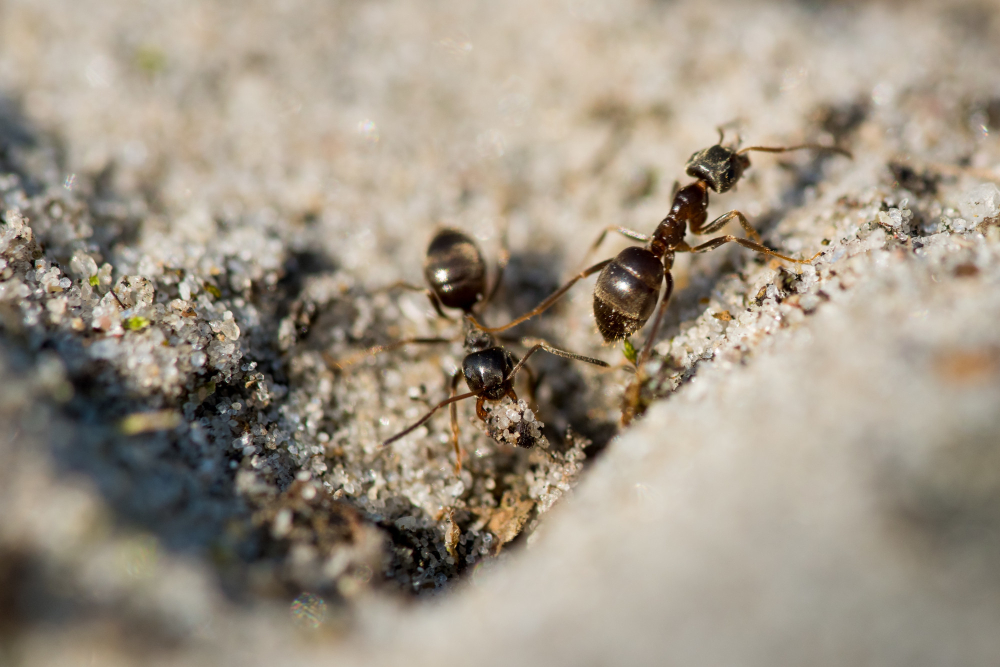
Spring in St. George is the perfect time to reset your landscape. Warmer days and occasional spring storms wake dormant weeds and trigger insect activity, while yard debris left over from winter becomes prime harborage for scorpions, rodents, and other pests. A focused spring cleanup reduces pest pressure, prevents weed establishment, and protects lawns, gardens, and outdoor living spaces before the summer heat arrives.
Common spring pests and weeds in St. George
Pests to watch for
- Ants and pavement ants — become active early and can form trails into homes and irrigation zones.
- Scorpions and spiders — hide in rock beds, woodpiles, and cluttered corners; cleanup reduces hiding spots.
- Rodents — use yard debris and stacked materials for nesting; they also attract predators and spread fleas.
- Termites and wood‑infesting insects — spring swarms and moisture issues can reveal colonies near foundations and landscaping timbers.
- Mosquitoes and biting flies — standing water from irrigation or storm runoff creates breeding sites.
- Fleas and ticks — increase where wildlife or rodents frequent yards and pet areas.
Weeds to control

- Crabgrass and annual grassy weeds — germinate as soil temperatures rise and quickly outcompete turf.
- Broadleaf weeds (dandelion, clover, plantain) — appear as lawns green up and spread if left untreated.
- Perennial weeds (bindweed, thistle, bermudagrass encroachment) — require targeted, repeated control to manage effectively.
Spring yard cleanup checklist
- Remove debris and declutter
Clear leaf litter, fallen branches, and stacked materials. Reducing clutter eliminates hiding places for scorpions, rodents, and spiders and makes inspection and treatment easier.
- Inspect and seal entry points
Check eaves, vents, foundation gaps, and irrigation lines. Seal cracks and gaps to prevent ants, rodents, and other pests from entering structures.
- Fix irrigation and eliminate standing water
Repair leaks, level low spots, and adjust sprinkler schedules to avoid puddles that breed mosquitoes. Proper irrigation also helps turf outcompete weeds.
- Apply pre‑emergent herbicide where appropriate
Timing matters: apply pre‑emergent before soil temperatures consistently reach the germination threshold for crabgrass and other annuals. For planting beds, use mulch and landscape fabric to suppress weed seeds.
- Spot‑treat broadleaf and perennial weeds
Use targeted post‑emergent herbicides or manual removal in beds to protect desirable plants. For persistent perennials, plan follow‑up treatments.
- Professional perimeter pest treatment
A perimeter barrier treatment reduces ants, spiders, and other pests from migrating into the home. Combine with baiting and exclusion for rodent control when needed.
- Sanitation and safe cleanup of droppings
If rodent or bird droppings are present, use proper protective measures during cleanup and consider professional sanitation to reduce disease risk. - Schedule follow‑up inspections
Spring treatments often need a follow‑up visit to catch re‑emergence and adjust strategies for weeds and pests.
Local tips for St. George homeowners
- Start early: Begin cleanup and pre‑emergent applications as soon as soil warms to block annual weeds before they germinate.
- Match treatments to microclimates: Rock beds, shaded patios, and irrigated turf each need different approaches—customize plans per area.
- Protect pets and pollinators: Use selective herbicides and time applications to avoid harming bees and beneficial insects.
- Prioritize safety for scorpion and rodent issues: Professional exclusion and removal are safer and more effective than DIY attempts.
- Combine tactics for best results: Physical cleanup, targeted chemical controls, and habitat modification deliver the most durable outcomes.
Get your yard spring‑ready in St. George. Book a Spring Yard Cleanup or request a combined pest + weed inspection from Preventive Pest Control St. George.