
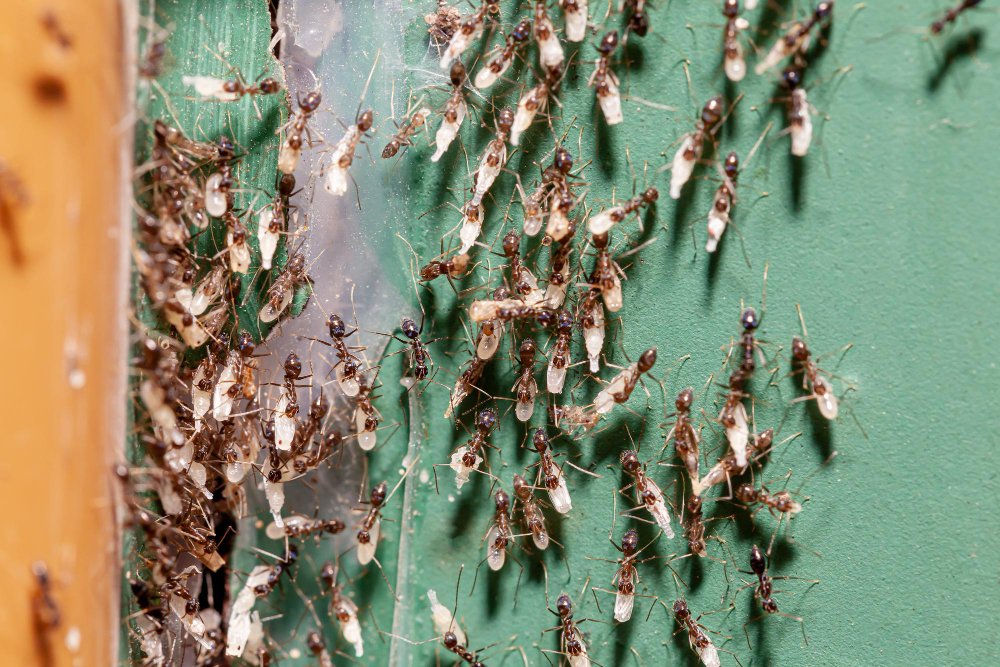
As temperatures rise across Southern Utah, pest activity surges—making spring one of the most important seasons for proactive pest control. Warmer weather wakes up insects and desert critters that have been dormant through winter, and many begin invading homes in search of food, water, and shelter. Staying ahead of these springtime invaders can save homeowners time, money, and stress.
Why Spring Is Peak Pest Season in St. George
Spring in the high desert brings a dramatic increase in pest movement. As the weather warms, insects and arachnids emerge from hiding, reproduce rapidly, and begin foraging—often inside homes. Pest control companies across St. George, Washington, and Hurricane report a significant rise in calls during this season as pests become more active and visible.
Southern Utah’s combination of warm spring temperatures, red rock terrain, and rapid vegetation growth creates ideal conditions for pests to thrive and migrate toward residential areas.
Common Springtime Pests in St. George
1. Ants
Ants are often the first sign of spring pest activity. In Southern Utah, species like Argentine ants, pavement ants, harvester ants, and odorous house ants become highly active as they search for food and water. Their small size allows them to enter homes through tiny cracks, and once inside, pheromone trails can quickly escalate a small problem into a full infestation.
2. Spiders
As insect populations rise, spiders become more active as well. St. George is home to species such as black widows, desert recluses, wolf spiders, and common house spiders. These predators often move indoors seeking consistent food sources and shelter.
3. Scorpions
Scorpions—especially the Arizona bark scorpion and the desert hairy scorpion—are a growing concern in Southern Utah. As temperatures rise, they seek cooler indoor environments, often hiding in shoes, towels, garages, and bathrooms. Their activity increases significantly in spring and continues into summer.
4. Cockroaches
American and Turkestan cockroaches become more active in spring, especially around moisture sources like kitchens, bathrooms, and laundry rooms. Their presence can worsen allergies due to allergens found in their droppings and shed skin.
5. Crickets
Crickets—including field crickets and Jerusalem crickets—become more active as temperatures rise. Indoors, they can damage fabrics and stored goods, and outdoors they feed on plants and attract predators like spiders and scorpions.
6. Bees & Wasps
Spring is when queens begin forming new colonies. In Southern Utah, paper wasps, yellowjackets, and carpenter bees may build nests around eaves, attics, sheds, and even underground. While essential to the ecosystem, they can pose risks when nesting too close to homes.
7. Termites
Spring is swarming season for subterranean termites, which are active throughout Washington County. Swarmers indicate an established colony nearby, making spring the most important time for inspections—especially in older homes or properties with wood-to-soil contact.
How to Prevent Springtime Pest Infestations
Seal Entry Points
Close gaps around windows, doors, and foundations to block ants, spiders, and scorpions.
Reduce Moisture
Fix leaks and eliminate standing water—moisture attracts ants, roaches, and termites.
Keep Food Sealed
Store food in airtight containers and clean up crumbs to avoid attracting ants and roaches.
Trim Vegetation
Keep plants and shrubs away from the home’s exterior to reduce pest harborage areas.
Schedule a Spring Inspection
Professional pest control can identify early signs of activity, treat nesting areas, and create a protective barrier before populations explode.
Why Preventive Pest Control Matters in Spring
Spring is the launch point for major infestations in Southern Utah. Treating early helps eliminate eggs before they hatch, break breeding cycles, and prevent pests from entering your home as temperatures continue to rise.
Preventive Pest Control St. George specializes in understanding desert pest behavior and offers targeted spring treatments designed for the unique challenges of Southern Utah’s climate and terrain.
Sources:
Common Pests and Their Health Risks.
https://www.epa.gov/safepestcontrolUniversity of California Agriculture & Natural Resources. Ants: Integrated Pest Management.
https://ipm.ucanr.edu/PMG/PESTNOTES/pn7411.htmlArgentine Ants: Behavior and Prevention.
https://www.pestworld.org/pest-guide/ants/argentine-ants/Centers for Disease Control and Prevention (CDC). Spider Bites: Species and Prevention.
https://www.cdc.gov/niosh/topics/spiders/Mayo Clinic. Scorpion Stings: Symptoms and Risks.
https://www.mayoclinic.org/diseases-conditions/scorpion-stingsCDC. Cockroach Allergens and Asthma.
https://www.cdc.gov/asthma/cockroach-allergensNPMA. Stinging Insects: Seasonal Activity and Nesting.
https://www.pestworld.org/pest-guide/stinging-insects/NPMA. Termite Swarm Season: What Homeowners Should Know.
https://www.pestworld.org/pest-guide/termites/