
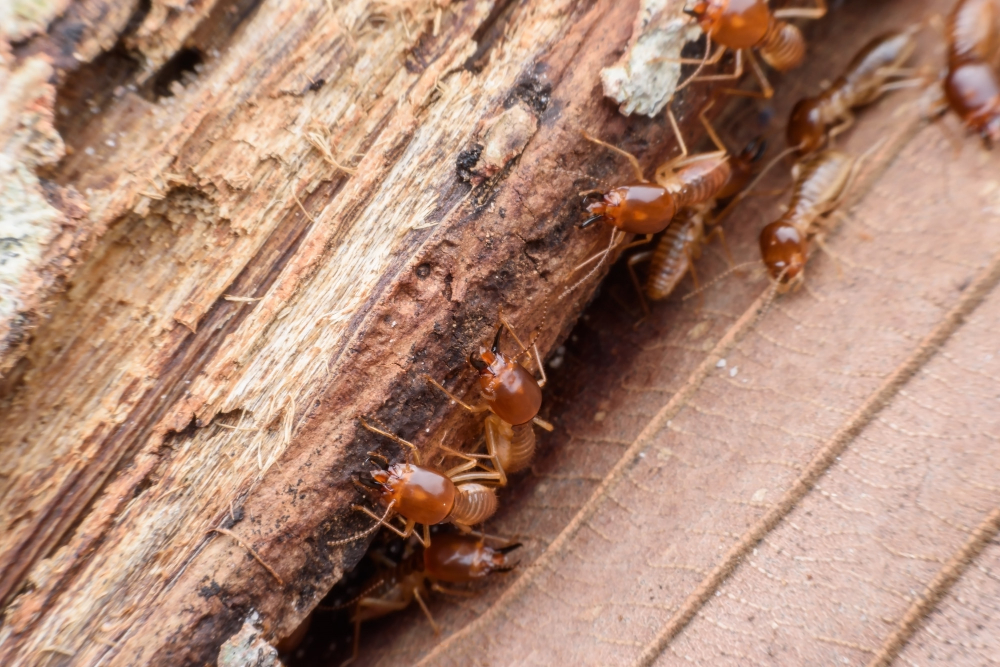
Termites can remain active long before homeowners see obvious damage. In Southern Utah, warm temperatures, dry conditions, irrigation, and seasonal moisture shifts can all affect where termites travel and when signs become easier to detect.
There is no single month when an inspection suddenly becomes useful. Professional pest control is most effective when termite checks are timed around property conditions, known risk, and seasonal activity. Spring and early summer often reveal more visible signs, but inspections can provide value throughout the year, especially when a home has moisture issues, wood-to-soil contact, previous termite activity, or recent structural changes.
Spring Is Often The Best Time To Spot Visible Activity
Spring is one of the most useful times for termite inspections because warming temperatures can increase activity and make certain warning signs easier to notice. Swarmers may emerge, discarded wings may collect near windows or doors, and mud tubes can become more apparent around foundations.
Inspectors may look for:
- Winged termites near windows, doors, or exterior lights
- Discarded wings around sills and entry areas
- Mud tubes along foundations or structural surfaces
- Wood that appears blistered, hollow, or weakened
- Moisture around plumbing, irrigation, or foundation edges
- Soil and wood conditions that may support termite movement
Recognizing these early termite signs can help homeowners act before damage becomes easier to see. An inspection also helps distinguish termite evidence from other wood, moisture, or insect-related concerns. (Preventive Pest Control St. George)
Summer Inspections Matter In Desert Conditions
Summer in St. George brings intense heat, dry soil, irrigation, and shaded pockets around homes. Those conditions can affect termite pressure even when activity is not obvious from the surface.
Subterranean termites depend on soil and moisture, so irrigated landscaping, leaking systems, damp foundation edges, or shaded areas can create favorable conditions close to a structure. Inspectors consider those environmental factors rather than relying only on visible insects.
Summer is also a practical time to inspect homes undergoing landscaping, exterior repairs, additions, or irrigation changes. New soil contact, altered drainage, or buried wood can increase risk if conditions allow termites to approach the structure.
Because desert pest pressure changes quickly, professional inspection provides a clearer picture of what is active and what may become a problem later.
Fall Is A Smart Time For Preventive Checks
Fall inspections are useful for homeowners who want to address termite risk before cooler weather changes outdoor activity. Even when visible swarming declines, hidden termite colonies may remain active below the surface or inside structural materials.
Fall inspections can focus on:
- Areas that stayed damp through summer irrigation
- Wood-to-soil contact around posts, fences, and siding
- Foundation cracks or gaps near utility lines
- Crawl-space or garage areas with moisture concerns
- Structural wood affected by leaks or drainage problems
- Locations where termite evidence appeared earlier in the year
This is also a good time to review changes made during summer. Landscaping, patios, irrigation repairs, and exterior construction can alter moisture and access conditions.
A preventive inspection before winter helps document current risk and gives homeowners time to address structural or moisture concerns before they are forgotten.
Winter Does Not Make Termite Risk Disappear
Cooler weather can reduce visible termite activity, but it does not mean a property is automatically termite-free. Colonies may remain protected underground or inside wood where temperatures are more stable.
Winter can still be a useful inspection period, particularly when a homeowner notices unexplained wood damage, mud tubes, moisture problems, or evidence during renovations. Interior areas, garages, crawl spaces, and accessible structural components can still be evaluated.
The broader value of desert home protection is that pest control considers the structure, landscape, moisture, and seasonal conditions together. Termite risk is part of that larger picture. (Preventive Pest Control St. George)
An off-season inspection can also be useful before buying or selling a property, planning repairs, or correcting leaks and drainage issues.
Annual Timing Should Depend On Property Risk
The best inspection schedule is not identical for every home. Properties with previous termite activity, heavy irrigation, recurring moisture, wood-to-soil contact, or older structural materials may need closer attention than homes with fewer risk factors.
A long-term inspection plan may include:
- Scheduling routine checks before peak seasonal activity
- Rechecking areas with previous termite evidence
- Monitoring irrigation and drainage near the structure
- Inspecting after major landscaping or construction changes
- Reviewing wood-to-soil contact around exterior features
- Following up after treatment to confirm conditions remain controlled
Professional pest control adds value because the inspection is based on termite behavior, property construction, and local desert conditions rather than the calendar alone.
Spring may be the easiest season for homeowners to notice visible signs, but termite prevention works best when inspections are consistent. The right time is before suspected activity becomes structural damage, not after repairs become unavoidable.
Make Termite Timing Work In Your Favor
If you want to understand your home’s termite risk before signs become costly, contact Preventive Pest Control for professional inspection, targeted treatment, prevention guidance, and follow-up tailored to Southern Utah conditions.