
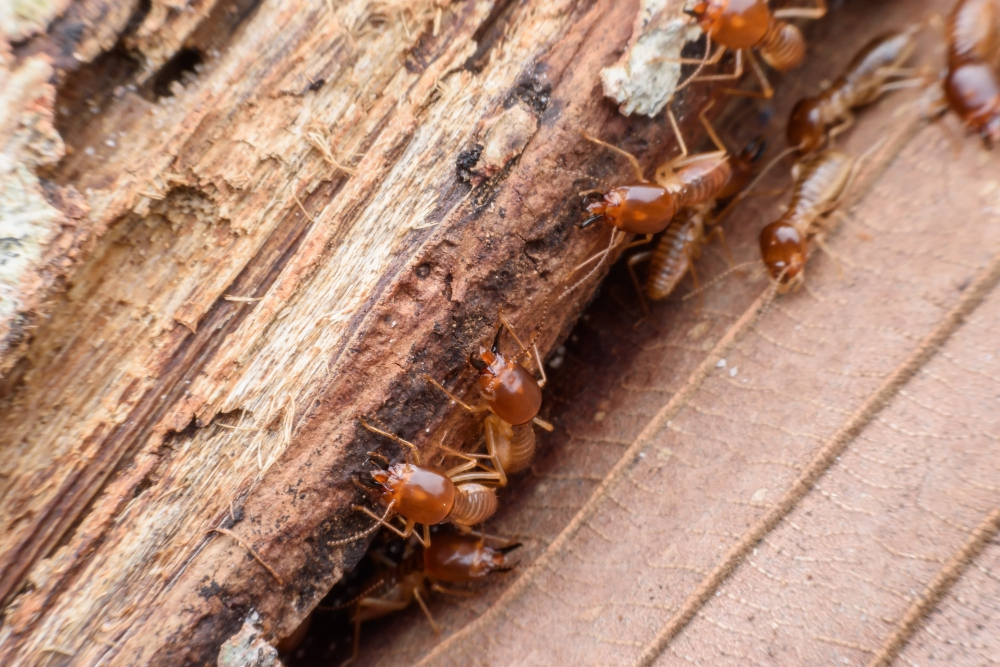
Termites are among the most costly pests because they can work quietly behind walls, beneath flooring, inside wood framing, and foundations long before damage appears. A small clue may look harmless at first, but early termite warnings often mean a colony has already found moisture, wood, soil contact, or a protected pathway into the structure.
Ignoring these signs gives termites more time to feed, expand, and damage areas that are expensive to reach. Professional inspection is important because termites rarely stay in open, easy-to-see spaces. A trained review can separate normal wear from active termite pressure and help determine whether treatment, monitoring, or prevention steps are needed.
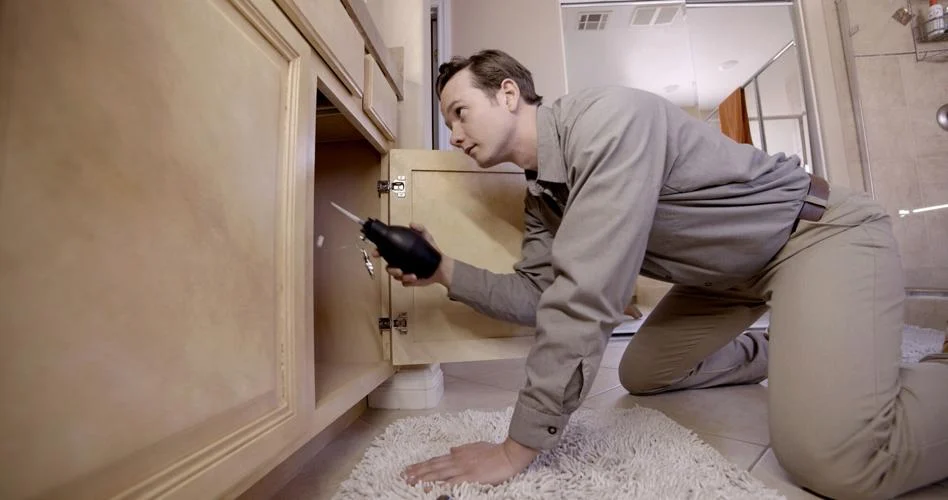
Small Clues Can Point To Bigger Activity
Termite evidence can be subtle. Homeowners may notice one mud tube, a few discarded wings, a soft baseboard, or drywall that looks slightly uneven. These signs may not appear dramatic, but they can point to hidden activity. Termites often protect themselves from the open air, so visible signs are usually only part of the issue.
Early warning signs may include:
- Mud tubes near foundations, stem walls, crawl spaces, or garage edges
- Discarded wings near windows, doors, lights, or interior corners
- Hollow-sounding wood, blistered paint, or soft trim
- Tiny pellet-like droppings, damaged wood grain, or stuck doors
- Moisture issues near plumbing, exterior walls, or landscaping
Termites may also use the same structural weaknesses that other pests exploit. Gaps, cracks, utility penetrations, and moisture-prone edges can increase risk when they go uncorrected. Reviewing common pest entry points helps show why small openings around a home deserve more attention than they often receive.
Hidden Damage Can Become Expensive
The greatest risk of ignoring termite warnings is hidden structural damage. Termites can feed on wood from the inside out, leaving surfaces that appear mostly intact until pressure, inspection, or repair work reveals the extent of the problem. By the time sagging, cracking, or visible deterioration appears, the activity may have affected framing, flooring, trim, or other wood components.
This is why early inspection matters. A professional can check likely activity zones, determine whether signs are active or old, and assess whether termites are connected to moisture, soil contact, wood debris, or untreated access points. Without that step, homeowners may spend time repainting, replacing trim, or patching surfaces while the underlying issue continues.
Termite control is different from general pest control because the source is often concealed. Ants, roaches, spiders, scorpions, mosquitoes, earwigs, rodents, and bed bugs may leave more immediate signs in living spaces. Termites can remain quiet while causing long-term property concerns. That delay is what makes termite problems especially risky.
Warning Signs Often Connect To Property Conditions
Termite pressure is rarely random. Certain property conditions can make a structure more vulnerable, especially in warm Southern Utah areas where soil, irrigation, landscaping, and building materials can create access. Moisture and wood contact are two major concerns. Even small changes around the home can influence termite movement.
Conditions that may raise concern include:
- Soil or mulch piled close to siding, stucco, or wood trim
- Leaking hose bibs, irrigation overspray, or poor drainage near foundations
- Wood piles, cardboard, lumber, or debris stored close to the structure
- Cracks, expansion joints, or utility gaps near the slab and foundation areas
- Previous termite activity, old repairs, or unexplained wood damage
These conditions do not confirm an infestation on their own, but they can help explain why termite warnings should be checked quickly. A professional inspection looks at both the sign and the setting. If a mud tube appears near a damp foundation edge, the concern is different from old damage in dry, inactive wood. That judgment helps guide the right response.
Delays Can Let Problems Spread
Waiting to see whether termite signs get worse is risky because termites can stay hidden while activity continues. A single clue may be the first visible part of a larger pattern. Once termites establish access, they may continue feeding and expanding until the colony is interrupted with the right treatment strategy.
Delays can lead to:
- More extensive wood damage in walls, floors, trim, or framing
- Higher repair costs when damaged areas become harder to access
- Confusion between old damage and active termite movement
- Increased stress during real-estate inspections or property repairs
- Missed opportunities to correct moisture, access, or wood-contact issues
A broader pest inspection can also help homeowners recognize when multiple issues are developing at once. If termite concerns appear alongside rodents, ants, roaches, scorpions, spiders, mosquitoes, earwigs, or bed bugs, the home may need a more complete service plan. Learning how to spot a pest problem early reinforces why small clues should be taken seriously.
Professional termite evaluation protects the home by replacing guesswork with evidence. It identifies the pest, checks activity areas, reviews risk conditions, and helps determine the next step before damage spreads further.
Act Before Termites Gain Ground
Early termite warnings should never be treated as minor cosmetic concerns. For professional termite inspection, termite control, ants, roaches, scorpions, spiders, mosquitoes, earwigs, rodents, bed bugs, and related pest concerns, contact Preventive Pest Control.