
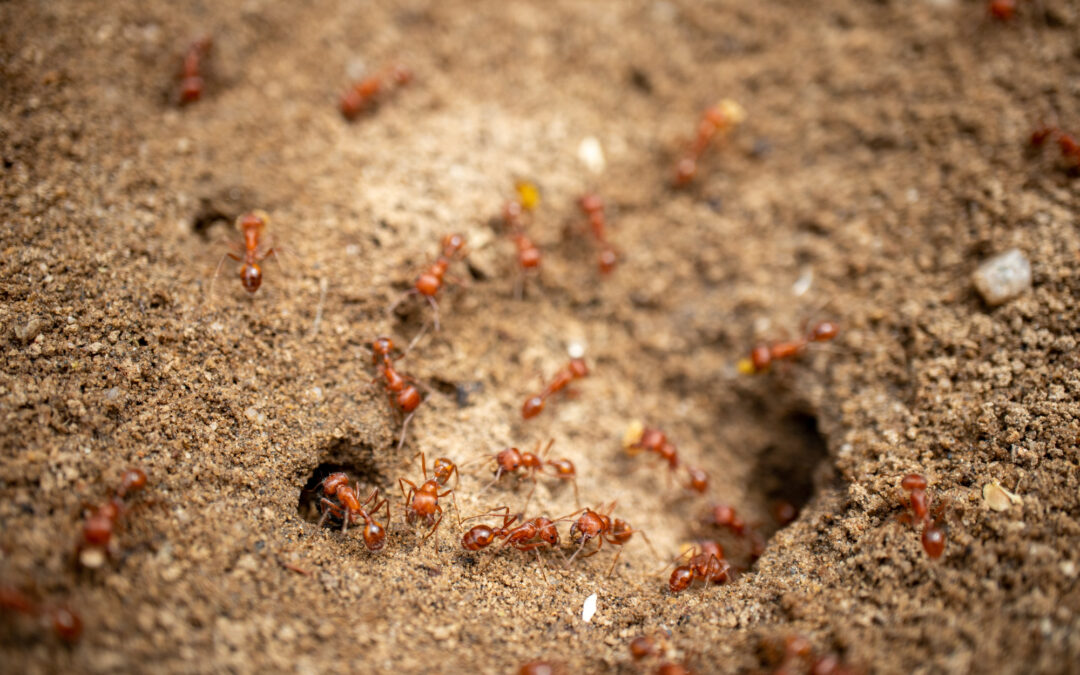
Ants are among the most persistent pests around Southern Utah homes because visible trails often represent only a small part of a much larger colony. Store-bought sprays may kill workers on contact, but they can leave nesting sites, queens, satellite colonies, and entry routes untouched. That is why activity may disappear briefly and then return in the same kitchen, bathroom, patio, or foundation area.
Our team approaches ant treatments by first identifying where ants are traveling, feeding, and entering the property. We also consider moisture, landscaping, food sources, structural gaps, and seasonal conditions that may support the colony. Professional control is designed to address the source of activity and reduce the conditions that allow ants to re-establish, rather than focusing only on the insects that are easiest to see.
Professional Inspection Finds the Colony Behind the Trail
Ant control starts with inspection because different situations require different treatment strategies. A visible line of ants near a sink may connect to an exterior nest, a wall void, landscaping, or a moisture source several feet away. Treating only the trail can reduce activity temporarily without affecting the colony that continues producing workers.
Our technicians examine interior and exterior conditions, including foundation edges, doors, windows, plumbing areas, patios, irrigation zones, and landscaping. The same environmental factors discussed in our guide to patio pest pressure can also help explain why ants concentrate around shaded, damp, or food-rich areas.
Professional inspection may include:
- Tracing ant trails toward likely nesting or entry areas
- Checking cracks, thresholds, and utility penetrations for access
- Reviewing irrigation and moisture conditions near foundations
- Identifying food sources around kitchens, patios, and pet areas
- Comparing indoor activity with exterior nesting conditions
- Determining where targeted treatment will reach the colony most effectively
This evidence-based approach gives ant treatments a stronger starting point because it connects visible activity with the underlying source.
Targeted Treatment Reaches More Than Visible Workers
DIY sprays often work on the ants they contact, but that does not necessarily affect the colony. Some products can even disrupt trails without eliminating the nest, causing activity to shift elsewhere. Professional ant treatments are selected and placed according to the species, nesting pattern, and areas where workers are actively traveling.
Our team may use targeted applications, baits, exterior barriers, crack-and-crevice treatment, or other methods depending on what the inspection reveals. The goal is to put control where ants are most likely to encounter it while avoiding unnecessary treatment in areas that are not contributing to the problem.
A professional plan may involve:
- Selecting treatment based on ant behavior and nesting location
- Placing baits where workers can carry material back toward the colony
- Treating entry routes and exterior activity zones when appropriate
- Addressing cracks and protected harborages linked to recurring trails
- Avoiding broad applications when focused placement can work better
- Monitoring whether activity declines or shifts after treatment
This precision is one reason professional service tends to last longer. The treatment is built around colony behavior instead of relying on repeated surface spraying each time a few ants appear.
Ongoing Prevention Addresses Why Ants Keep Returning
Southern Utah’s desert climate creates conditions that can keep ant pressure active for long periods. Heat, irrigation, shaded landscaping, seasonal moisture, and mild transitions can all influence where ants search for water, food, and shelter. Even after a colony is reduced, new ants may approach the property if those conditions remain unchanged.
Our article on regular desert treatments explains why recurring inspection and prevention matter in this environment. Professional service can track changes in moisture, entry points, landscaping, and pest routes instead of starting from zero whenever activity returns.
Long-term ant prevention may include:
- Rechecking known ant hot spots during scheduled visits
- Monitoring foundation edges, patios, and irrigation zones
- Adjusting treatment when seasonal conditions change
- Reviewing weatherstripping and structural entry points
- Correcting accessible moisture conditions that support activity
- Following up when ant trails reappear between services
Consistency matters because ant pressure can change with the property. Irrigation may increase, landscaping may grow closer to the structure, weatherstripping can wear down, and seasonal temperatures can shift where ants travel. A one-time DIY response cannot account for those changes over time.
Professional ant treatments are more durable because they combine identification, colony-focused treatment, prevention, and follow-up. That does not mean every infestation requires the same service schedule or products. It means the plan can be adjusted according to actual evidence and the way the property changes.
DIY products can sometimes make visible activity seem better for a short period, but they do not always reveal whether the nest is still active or whether ants have simply moved to another route. Our technicians can compare current findings with previous visits and determine whether the colony is declining, relocating, or being replaced by new activity from outside.
Keep Ant Problems From Becoming a Repeat Cycle
If ant trails keep returning around your home, contact Preventive Pest Control for professional inspection, targeted ant treatments, monitoring, and long-term prevention based on Southern Utah conditions.