
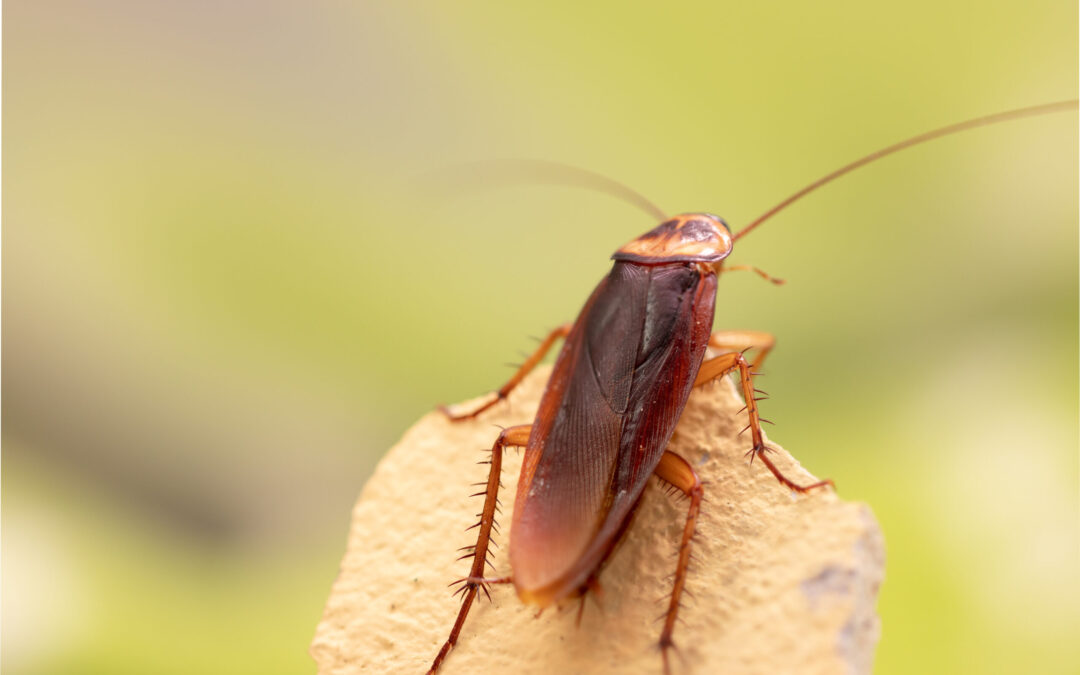
Southern Utah’s heat creates conditions that can make homes especially attractive to cockroaches. Outdoor temperatures may become extreme, while kitchens, bathrooms, garages, utility rooms, and wall voids offer cooler shelter, dependable moisture, and access to food. Irrigated landscaping and sudden weather changes can also push roaches toward foundations and entry points.
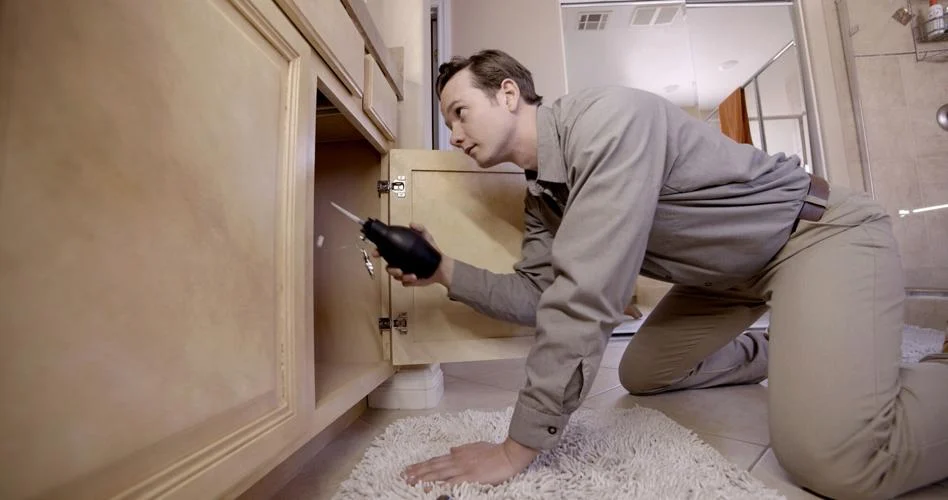
Effective pest control looks beyond the insect seen crossing a floor. Technicians inspect hiding areas, identify moisture and food sources, trace access routes, and determine whether the activity is isolated or connected to a larger infestation. This evidence-based approach is important because cockroaches reproduce quickly and often remain hidden until their numbers increase.
Warm Indoor Spaces Support Year-Round Survival
Cockroaches prefer protected areas where temperature, darkness, moisture, and food remain relatively stable. Southern Utah homes provide these conditions even when the desert outside is hot and dry. Appliances, cabinets, plumbing voids, storage rooms, and garage edges can create comfortable microclimates.
Common hiding and activity zones include:
- Gaps beneath refrigerators, ovens, dishwashers, and washing machines
- Cabinets near sinks, drains, and plumbing connections
- Cracks along baseboards, walls, and floor transitions
- Cardboard boxes, clutter, and undisturbed storage areas
- Garages and utility spaces with water or food access
Because cockroaches are primarily active at night, daytime sightings may indicate that hiding spaces are crowded or that the infestation has become more established. A professional inspection helps determine the extent of activity before treatment begins.
Seasonal Preparation Reduces Easy Access
Peak pest season can intensify cockroach pressure as heat, irrigation, food availability, and household activity change. Doors may remain open longer, deliveries bring in boxes, and outdoor watering can create damp areas near the structure. Cockroaches may move through gaps around utilities, thresholds, vents, and foundation joints.
Following seasonal preparation steps helps improve access for inspection and reduces conditions that allow roaches to settle. Food should be stored securely, waste areas kept manageable, and plumbing leaks reported. Technicians may also need clear access beneath sinks, behind appliances, and along wall edges.
Preparation supports treatment, but it does not replace professional identification. Different cockroach species may favor different nesting areas and require different placement strategies.
Moisture And Food Keep Hidden Populations Active
Cockroaches can survive on small amounts of food residue and water. Grease behind appliances, crumbs beneath cabinets, pet food, trash buildup, condensation, and leaking plumbing may support activity even in an otherwise tidy home. Warmth accelerates feeding and reproduction when these resources remain available.
A detailed assessment may review:
- Dripping faucets, pipe leaks, and condensation near appliances
- Food residue in cracks, floor edges, and hard-to-reach spaces
- Pet-feeding areas and overnight water access
- Trash, recycling, and stored pantry products
- Outdoor moisture near irrigation, drains, and foundations
Cleaning visible surfaces is helpful, but concealed food and moisture sources can remain. Professional pest control connects sanitation recommendations with treatment of confirmed harborages and travel routes.
Desert Conditions Require A Property-Wide Plan
Cockroach activity often begins outside the living space. Irrigated landscape pockets, block walls, drains, garages, shaded patios, and utility areas can provide shelter near the home. Once roaches locate an opening, they may move into wall voids, kitchens, or bathrooms where conditions are more stable.
A guide to desert home protection explains why Southern Utah properties benefit from inspection, prevention, treatment, and follow-up working together. Heat may drive pests toward water, while rain or irrigation can increase moisture near foundations.
A professional plan may include:
- Inspecting interior and exterior hiding areas
- Identifying the cockroach species and active routes
- Applying targeted baits and treatments to confirmed locations
- Building exterior protection around likely entry zones
- Monitoring activity and adjusting service when needed
This coordinated strategy is more effective than repeatedly treating the roaches that happen to be visible. It addresses the property conditions that allow activity to continue.
Follow-Up Helps Break The Infestation Cycle
Cockroach control rarely depends on a single surface application. Egg cases, immature roaches, and adults may occupy different hiding places, and newly emerged insects can appear after the first visit. Treatments must reach active harborages while follow-up confirms whether the population is declining.
Technicians monitor droppings, egg cases, live sightings, bait activity, and movement around previously active areas. If evidence continues, placement or service frequency can be adjusted. They may also recommend sealing confirmed openings, correcting leaks, reducing clutter, and improving food storage.
Roaches may also move between adjoining rooms through plumbing lines, wall gaps, and shared utility spaces. This is why activity in one bathroom or kitchen should not be treated as an isolated event without checking nearby areas.
Southern Utah homes can remain vulnerable because warm indoor conditions are available throughout the year. Long-term control depends on removing active populations while reducing the shelter, water, food, and access that support them. Professional inspection and monitoring keep the response focused instead of relying on one-time treatment without evidence.
Keep Desert Roaches From Settling In
Contact Preventive Pest Control for professional inspection, targeted cockroach treatment, prevention, and reliable long-term follow-up.