
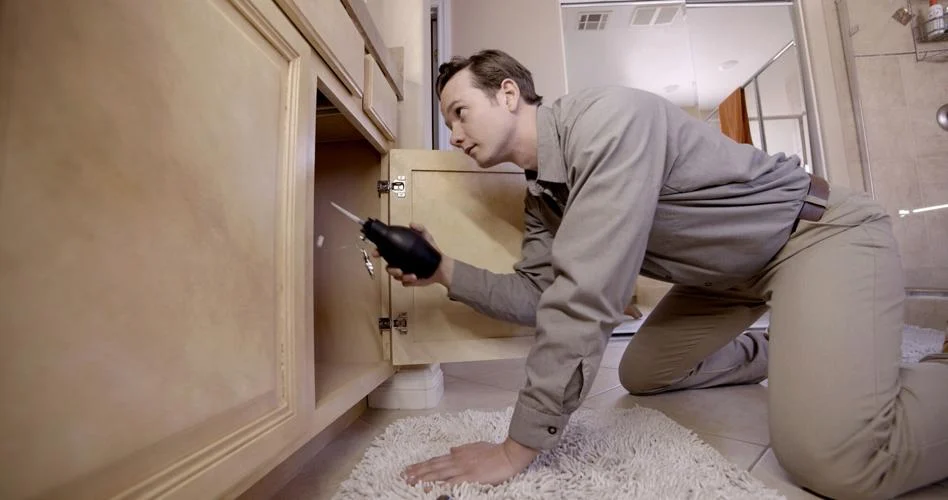
Peak pest season in Southern Utah can bring a noticeable rise in activity around homes. Heat, dry soil, irrigation, monsoon moisture, longer days, and shifting food sources can push ants, cockroaches, earwigs, spiders, scorpions, rodents, termites, mosquitoes, and bed bugs toward dependable shelter.
Preparing early gives homeowners a better chance to address the conditions that support pest movement before repeated sightings begin. Effective pest control starts with inspection, entry-point awareness, moisture management, and attention to the outdoor areas that connect directly to the home.
Inspect Doors, Windows, and Structural Openings
Pests often enter through small gaps that are easy to overlook. Worn door sweeps, torn screens, loose vents, utility penetrations, and cracks around foundations can become active routes when outdoor conditions grow less comfortable.
Areas worth checking include:
- Gaps beneath exterior doors and garage-door edges.
- Torn window screens or loose framing around sliding doors.
- Cracks near foundations, stucco, siding, and utility lines.
- Damaged vent covers, roofline openings, and attic access points.
- Openings around plumbing, cables, and exterior equipment.
This guide to common pest entry explains how doors, vents, rooflines, moisture zones, and storage areas can connect outdoor pressure to indoor spaces. Professional inspection helps determine which openings are active routes and which are routine maintenance concerns.
Reduce Moisture and Food Sources Before Activity Builds
Pests remain where they can find dependable water and food. In a desert climate, small moisture sources may become especially attractive during hot, dry periods. Irrigation overspray, leaking hose bibs, condensation, pet bowls, and damp landscape beds can all increase pressure near the structure.
Indoor conditions matter as well. Crumbs beneath appliances, accessible pantry goods, trash residue, and pet food can support ants, cockroaches, rodents, and other pests after they enter.
Preparation does not mean attempting treatment without knowing the source. It means making the property easier to inspect and less supportive of repeat activity. When moisture, food, and access overlap, a professional pest control plan can focus on the areas most likely to sustain an infestation.
Clear Garages, Patios, and Storage Areas
Garages, sheds, patios, and storage rooms often act as transition zones between the yard and living spaces. Boxes, tools, outdoor furniture, firewood, and stacked materials create shade and low-disturbance shelter where pests can remain hidden.
Before peak activity, look for:
- Webs, egg sacs, droppings, gnaw marks, or nesting material.
- Cardboard and clutter pressed against walls or garage corners.
- Firewood, debris, or stored items resting beside the foundation.
- Pet supplies, birdseed, or food products in weak containers.
- Damp areas beneath shelving, appliances, or stored equipment.
Clearing access does not eliminate an established problem, but it makes inspection more accurate. It also reveals gaps, moisture, and evidence that may otherwise remain covered until pests spread farther indoors.
Understand Why Spiders Become More Noticeable
Spiders often increase where insect prey, shelter, and quiet spaces are available. Exterior lights, irrigated landscaping, garages, patios, and storage areas can support the insects that spiders hunt. As temperatures change, both predators and prey may move closer to shaded walls or indoor shelter.
The discussion of spider attractants shows how food, entry gaps, weather, clutter, and exterior conditions influence recurring spider activity. Removing one web may improve appearance, but it does not address the insects or access points supporting the pattern.
A professional assessment may include:
- Inspecting web locations, egg sacs, and concealed hiding areas.
- Checking exterior lighting and nearby insect activity.
- Reviewing garages, patios, vents, and foundation gaps.
- Identifying moisture or landscaping conditions that attract prey.
- Applying targeted treatment where activity is concentrated.
This broader approach helps distinguish an isolated spider from a property condition that may keep attracting more activity.
Schedule Pest Control Before Pressure Peaks
The best time to prepare is before pest activity becomes widespread. Early professional service allows technicians to inspect the property, identify developing risks, and create a targeted barrier based on current conditions.
A complete pest control plan may evaluate doors, windows, rooflines, utility openings, landscaping, garages, patios, crawl-space access, and moisture-prone areas. Treatment can then focus on active routes and likely harborage instead of relying on broad, one-size-fits-all applications.
Seasonal follow-up matters because Southern Utah conditions change quickly. Intense heat may push scorpions and other pests toward cooler shelter. Rain or irrigation can increase ant, cockroach, earwig, mosquito, and termite pressure. Rodents may test new openings, while spiders follow changing insect populations.
Preparing early does not guarantee that no pest will ever appear. It reduces the opportunities that allow a small, seasonal issue to become established. Professional pest control adds accurate identification, careful placement, and ongoing monitoring so the response can change as weather and activity shift.
Get Ahead of the Season Before Pests Do
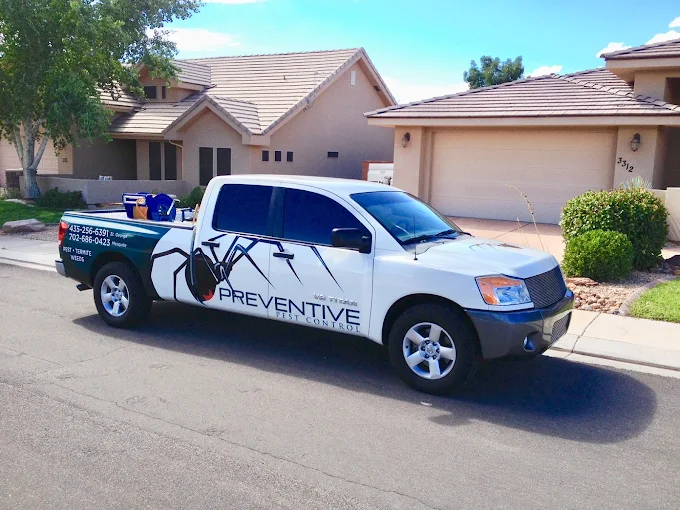
A prepared home is easier to inspect, treat, and protect as pest pressure rises. Contact Preventive Pest Control for professional pest control focused on Southern Utah conditions, targeted service, and long-term prevention.