

Desert climates create pest pressure in ways that can be easy to underestimate. Long stretches of heat, limited natural moisture, irrigation, shaded landscaping, and mild seasonal transitions can all influence where pests move and how often they approach homes. In Southern Utah, ants, cockroaches, mosquitoes, spiders, scorpions, termites, rodents, bed bugs, and earwigs can remain active at different points throughout the year.
Regular pest control helps homeowners respond to those shifts before activity becomes established. Instead of treating every sighting as a separate problem, recurring service uses inspection, targeted treatment, monitoring, and prevention to track how pest pressure changes with the property and the season.
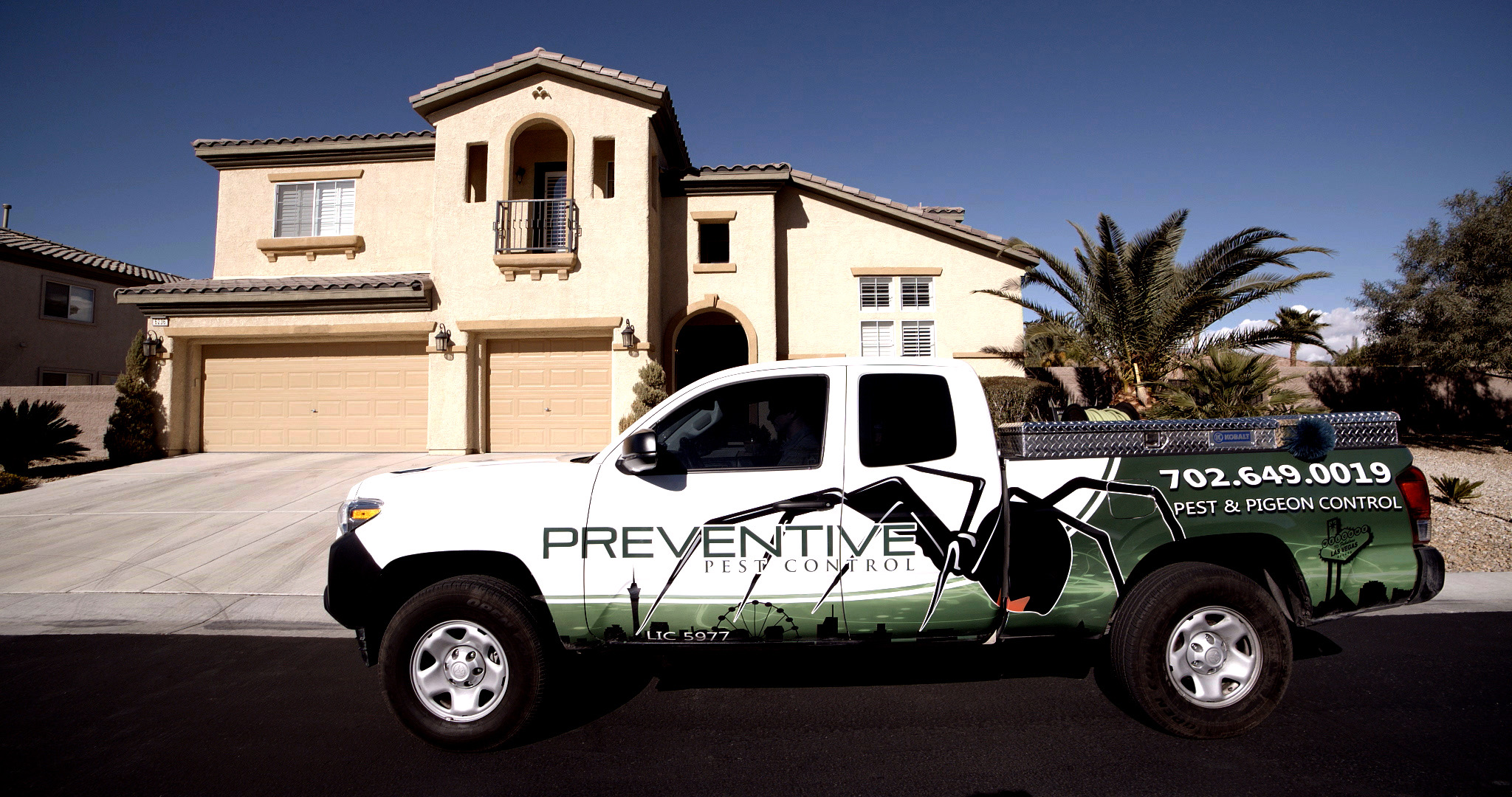
Desert Heat Pushes Pests Toward Reliable Resources
Extreme temperatures do not eliminate pests. They often make food, moisture, shade, and cooler shelter more valuable. Irrigated landscaping, garages, kitchens, bathrooms, patios, and utility areas can provide the stable conditions outdoor pests are looking for.
Regular service can help identify:
- Ant trails developing near kitchens and foundation edges
- Cockroaches gathering around moisture and protected utility areas
- Scorpions using shaded cracks, garages, and exterior shelter
- Spiders settling where insect prey remains active
- Rodents testing gaps near garages, vents, and rooflines
- Earwigs moving toward cooler, damp areas
Because these patterns shift through the summer, one-time treatment may not reflect what happens later. Routine inspection gives technicians a clearer picture of recurring hot spots, changing access routes, and the areas most likely to need attention next.
Termite Risk Does Not Follow One Simple Season
Termites deserve special attention because activity can stay hidden while damage progresses. Southern Utah properties may have risk factors such as soil moisture, irrigation, wood-to-soil contact, and structural gaps even when no obvious termites are visible.
The timing of a professional termite inspection should consider property conditions, previous activity, and seasonal changes rather than waiting for visible damage. Warmer periods may make some signs easier to notice, but preventive inspection remains useful throughout the year.
Regular pest control creates continuity around those risk areas. Technicians can compare foundation conditions, moisture patterns, and previous findings over time, making it easier to notice changes that might otherwise go undetected.
Seasonal Moisture Can Change Pest Pressure Quickly
Desert environments may be dry overall, but localized moisture can create strong pest attractants. Irrigation leaks, damp mulch, sprinkler boxes, clogged drains, and monsoon rainfall can temporarily transform areas around the home.
Important moisture-related concerns include:
- Standing water that can support mosquito activity
- Damp foundation edges attracting ants and cockroaches
- Shaded landscape beds supporting earwigs and spiders
- Irrigation near walls creating recurring pest routes
- Moist areas that increase insect prey for scorpions
- Drainage problems that keep soil wet longer than expected
Regular monitoring helps connect these environmental changes with actual pest activity. A yard that was dry and quiet in early summer may become much more active after irrigation increases or storms arrive.
Professional service can then adjust treatment instead of repeating the same application regardless of conditions.
Entry Points Become More Important As Conditions Shift
Pests often move toward structures when outdoor conditions become less favorable. Heat, moisture changes, food scarcity, or cooler weather can all increase pressure around doors, windows, vents, garages, rooflines, and utility penetrations.
Understanding common pest entry points helps explain why prevention should include the building itself, not only the yard. Worn weatherstripping, damaged screens, foundation cracks, and gaps around pipes can turn outdoor activity into an indoor problem.
Professional inspections help determine which openings are actually connected to pest movement. That matters because sealing random gaps without evidence can miss the active route. Regular visits also make it easier to recheck repaired areas and identify new openings as a home ages.
Long-Term Pest Control Depends On Consistency
Desert pest pressure changes, but it rarely disappears completely. Ants may be more noticeable during warm periods, rodents may seek shelter as conditions cool, and scorpions or spiders may shift locations as prey changes.
A long-term pest control plan may include:
- Inspecting known pest hot spots on a regular schedule
- Adjusting treatment as seasonal activity changes
- Monitoring moisture, irrigation, and drainage conditions
- Rechecking structural entry points and weatherstripping
- Tracking termite, rodent, and scorpion evidence over time
- Scheduling follow-up when activity returns between visits
The main advantage of recurring service is continuity. Technicians can compare present findings with earlier visits rather than beginning from zero each time a pest appears. That allows treatment to become more focused as the property’s history becomes clearer.
In a desert climate, prevention works best when it follows the environment. Heat, irrigation, storms, shade, and seasonal shelter needs continually change where pests are likely to appear. Regular professional service helps keep those changes from turning into repeated infestations while reducing the need for reactive, one-time responses.
Stay Ahead Of Desert Pest Pressure
If recurring pest activity is becoming a concern around your home, contact Preventive Pest Control for professional inspection, targeted pest control, seasonal monitoring, and long-term prevention tailored to Southern Utah conditions.