
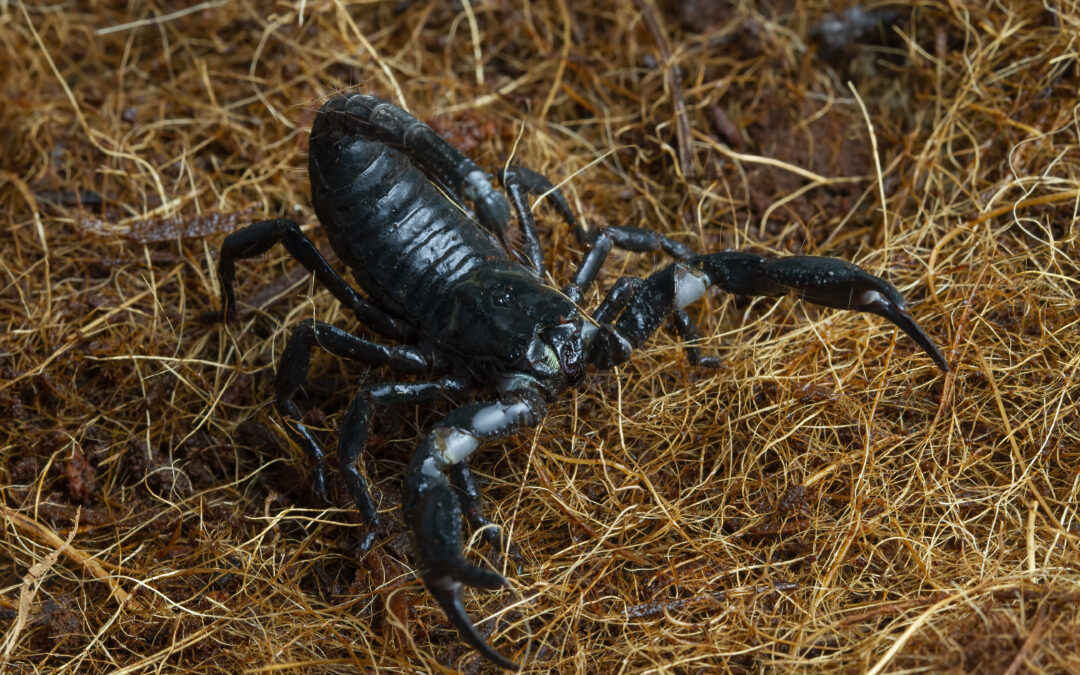
Scorpions are well adapted to Southern Utah’s desert environment, but much of their activity happens where homeowners cannot easily see it. During the day, they often stay inside foundation cracks, block walls, patio edges, garages, storage areas, landscape rock, and other shaded spaces. After dark, they emerge to hunt, which means a property can support steady activity long before repeated sightings make the problem obvious.
Our team approaches scorpion control by looking for the hidden routes and shelter that support that activity. A single scorpion indoors may be connected to exterior cracks, insect prey, moisture, garage gaps, or protected travel paths around the structure. Professional inspection helps us identify those connections before treatment is applied, making the response more focused and better suited to the property.
Hidden Shelter Around The Property Can Sustain Scorpion Activity
Southern Utah homes can provide many of the same conditions scorpions use naturally in the desert. Rock landscaping, block walls, shaded patios, foundation gaps, and cluttered garages create narrow, protected spaces where scorpions can rest during the hottest part of the day.
Our guide to patio pest pressure explains how shade, irrigation, food residue, exterior lighting, and structural cracks can concentrate pest activity near outdoor living areas. Those same conditions can also support the insects scorpions hunt.
Areas our technicians may inspect include:
- Foundation cracks and narrow gaps around exterior walls
- Block walls, fences, and rock landscaping with shaded crevices
- Garage edges, storage corners, and low-disturbance clutter
- Patio joints and slab transitions close to the structure
- Utility penetrations, door gaps, and worn exterior seals
- Irrigated areas that create moisture and attract insect prey
Finding these areas matters because visible scorpions may represent only a small part of the activity taking place nearby.
Scorpion Control Works Better When Prey And Entry Routes Are Addressed
Scorpions are predators, so their presence often connects to other insect activity around a home. Cockroaches, spiders, earwigs, ants, and other small pests can become food sources, especially around lights, irrigated landscaping, garages, and shaded exterior walls. If those conditions stay active, simply treating the last scorpion seen may not reduce the pressure for long.
Our technicians evaluate the property as a connected system rather than treating one sighting in isolation.
A professional plan may include:
- Checking exterior lights that attract insects after dark
- Reviewing irrigation and leaks that create damp shelter
- Identifying cracks that allow both scorpions and prey to move indoors
- Inspecting garage-door gaps and other structural openings
- Targeting confirmed hiding zones and active travel routes
- Monitoring insect activity that may continue supporting scorpions
This broader approach helps reduce both the scorpions and the conditions that keep drawing them close to the home.
Local Scorpion Behavior Helps Guide Targeted Treatment
The desert conditions behind Southern Utah scorpions explain why these pests can remain difficult to detect. They avoid intense daytime heat, hide in tight spaces, and become more active after dark. Hot weather can also push them toward garages, patios, wall voids, and shaded foundation edges where temperatures are more stable.
Because scorpions can stay concealed for long periods, professional scorpion control focuses on likely harborage zones instead of relying only on surface treatment.
Targeted service may involve:
- Inspecting foundations, garages, patios, block walls, and landscape rock
- Treating cracks, sheltered edges, and confirmed movement zones
- Checking storage areas where scorpions can remain undisturbed
- Reviewing moisture sources that support both scorpions and prey
- Rechecking active areas after treatment to measure changes
- Adjusting the plan when weather or pest pressure shifts
Follow-up is important because scorpion pressure can move as temperatures, irrigation, insect populations, and landscaping conditions change.
Professional inspection can also help distinguish an isolated outdoor sighting from a larger pattern. One scorpion near a patio may have wandered through temporarily, while repeated sightings near garages, baseboards, doorways, or block walls can suggest nearby shelter or access. Looking at where and when activity occurs gives our technicians more useful information than treating every sighting the same way.
Long-term results depend on reducing shelter, limiting entry opportunities, and keeping prey populations under better control. That may include sealing confirmed gaps, reducing clutter near the structure, trimming vegetation away from walls, and correcting damp areas when practical. These steps support treatment, but they work best after the active routes and hiding zones have been identified correctly.
Scorpions are especially challenging because they can use very small spaces and remain out of sight during daylight hours. A one-time response aimed only at the visible pest can miss the wall crevice, garage edge, patio crack, or foundation opening that keeps the problem active. Professional service gives the property a more complete inspection and a treatment plan based on actual activity rather than guesswork. That precision supports more efficient long-term control.
Bring Hidden Scorpion Activity Into The Open
If scorpions are appearing around garages, patios, walls, or indoor spaces, contact Preventive Pest Control for professional scorpion control focused on inspection, targeted treatment, monitoring, and long-term prevention.