
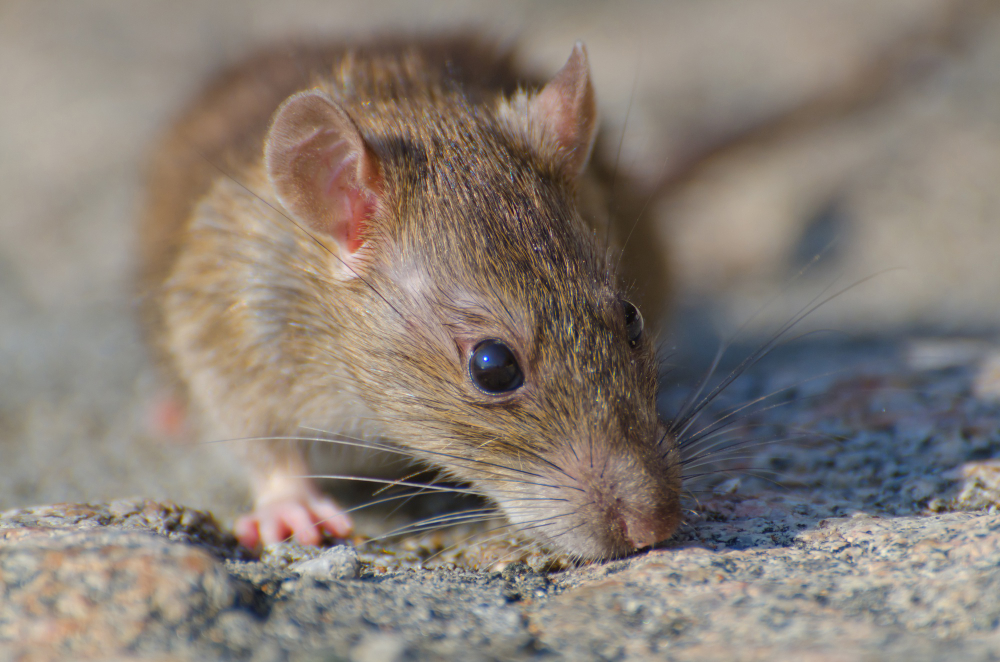
Rodents can live inside a home for weeks before anyone sees one directly. Mice and rats often travel through garages, attics, wall voids, storage areas, and utility spaces where their activity remains largely hidden. By the time droppings or scratching sounds appear, damage may already be developing behind finished surfaces.
Professional rodent control focuses on more than removing the animal that happens to be visible. A complete assessment looks for travel routes, nesting areas, food sources, moisture, structural openings, and evidence of chewing or contamination. Finding those hidden conditions early can reduce the chance that a small problem becomes expensive property damage.

Chewed Wiring And Building Materials Can Go Unnoticed
Rodents gnaw constantly because their front teeth continue to grow. Inside homes, that behavior can affect materials homeowners rarely inspect. Electrical wiring, insulation, wood, plastic, cardboard, and stored belongings may all be damaged while rodents move through concealed areas.
Hidden damage can include:
- Chewed wiring behind walls, ceilings, appliances, or attic insulation
- Torn insulation used for nesting or disturbed along travel routes
- Gnaw marks on wood framing, plastic pipes, storage bins, or packaging
- Damaged duct materials or flexible components in low-traffic spaces
- Shredded paper, fabric, or cardboard gathered into protected nesting areas
Electrical chewing deserves particular attention because damaged wiring may remain out of sight until another problem develops. Insulation damage can also reduce performance and create contaminated sections that require careful evaluation.
Seasonal activity can make these risks easier to miss. Preparing a property before rodent pressure rises is part of peak-season prevention, especially around garages, rooflines, storage areas, and exterior openings.
Contamination Can Spread Beyond The Nesting Area
Rodent damage is not limited to chewing. Mice and rats can contaminate surfaces and stored materials with droppings, urine, nesting debris, and food residue. Because they travel repeatedly between shelter and feeding areas, contamination may occur well beyond the location of a nest.
Areas professionals often evaluate include:
- Pantries, cabinets, and food-storage spaces where packages show gnawing
- Attics and insulation where droppings or nesting material accumulate
- Garages and storage rooms with boxes, pet food, or bird seed
- Utility areas where rodents follow pipes, wiring, or wall edges
- Hidden corners where musky odors or concentrated droppings suggest repeated activity
A few droppings in one room may represent a larger travel pattern. Rodents commonly follow edges and concealed routes, so evidence in a kitchen can be connected to an attic, garage, wall void, or exterior opening.
This is why professional inspection follows the evidence instead of focusing only on the mess that is easy to see. Identifying where rodents are entering and how they move through the structure helps determine which areas need control, exclusion, monitoring, or further inspection.
Hidden Nests Make Rodent Problems Harder To Track
Rodents prefer quiet, protected locations where they can remain close to food and water. Attics, wall cavities, cabinets, garages, stored materials, and insulation can all provide suitable nesting areas. Once a nest is established, rodents may move through several parts of the home without crossing open rooms.
Warning signs of concealed nesting include:
- Scratching or scurrying sounds that repeat during evening or nighttime hours
- Concentrated droppings near walls, stored items, or suspected travel routes
- Shredded insulation, paper, fabric, or cardboard collected in one location
- Persistent odors developing in enclosed or rarely used areas
- Fresh gnaw marks appearing even when rodents are rarely seen
Hidden infestations are difficult because the visible clues may seem unrelated. A homeowner might notice a noise in one room, damaged packaging in another, and droppings in the garage without realizing the same rodents are using connected pathways.
This is where hidden infestation risks become important. Surface-level responses may affect a few visible animals while leaving nests, entry points, and additional activity untouched.
Professional rodent control connects those clues through inspection. Technicians look for droppings, grease marks, nesting material, chewing, exterior openings, garage gaps, roofline access, and other movement patterns. Control may then involve trapping, baiting, monitoring, exclusion guidance, and follow-up based on what the property actually shows.
Long-term protection also depends on preventing replacement activity. If an active opening remains accessible, another mouse or rat can use the same route after the original rodents are removed. Food, clutter, and sheltered exterior edges can also continue attracting activity toward the structure.
Hidden rodent damage tends to become more expensive when it is allowed to accumulate. Chewed materials, contaminated insulation, damaged belongings, and repeated entry can spread gradually without producing an obvious emergency at first. Early professional assessment gives homeowners a clearer picture of what has been affected and what needs attention before repairs or cleanup begin.
Southern Utah conditions can also influence when rodents become more noticeable. Seasonal temperature changes, shaded exterior areas, garages, sheds, and stored materials can create shelter close to the home. When fresh evidence appears in several locations, the pattern is more useful than any single sighting.
Find The Damage Before It Spreads Further
If you are hearing scratching, finding droppings, or noticing signs of chewing around your home, contact Preventive Pest Control for professional rodent control focused on inspection, targeted removal, monitoring, exclusion guidance, and long-term prevention.