
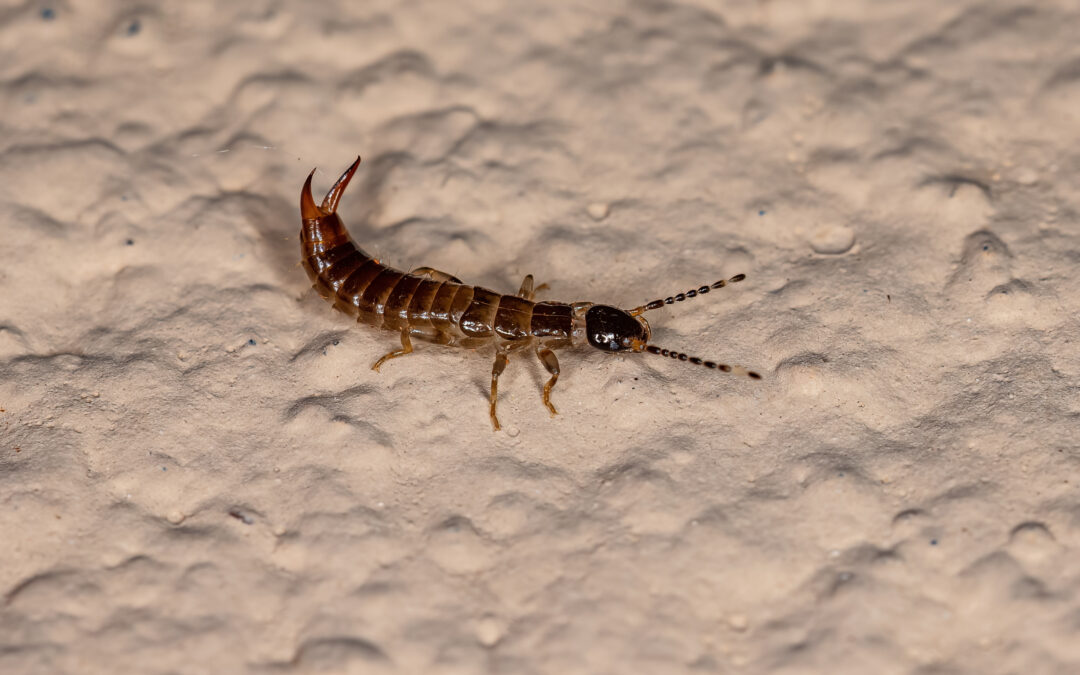
Southern Utah heat can change how earwigs behave around homes. As outdoor conditions become hotter and drier, these pests look for cooler, darker, and more protected spaces. That often brings them closer to foundations, garages, patios, bathrooms, laundry areas, and shaded landscaping. While earwigs are usually more of a nuisance than a structural threat, repeated indoor sightings can signal that moisture, shelter, or entry points are supporting activity near the home.
Effective earwig control starts with understanding why they are appearing. Earwigs prefer tight hiding places, damp conditions, and areas with organic matter. During intense St. George heat, they may gather in mulch beds, under stones, around irrigation zones, or beneath stored items before slipping indoors through small gaps. A professional inspection helps identify where they are coming from and why they keep returning.
Heat Pushes Earwigs Toward Cooler Shelter
Earwigs are sensitive to dry conditions, so extreme heat can push them away from exposed areas and into shaded spaces. They often hide during the day and become more active at night. Around homes, that means activity may build quietly before residents notice it indoors.
- Garages, crawl spaces, patios, and storage areas can provide cooler daytime shelter.
- Mulch beds, rock borders, and shaded foundation edges can hold enough moisture for activity.
- Outdoor clutter gives earwigs dark, protected places to hide.
- Door thresholds, utility gaps, and loose seals can become easy entry points.
When indoor sightings continue, the issue is usually connected to exterior conditions. Treating the visible pest without addressing the surrounding shelter may lead to repeat activity.
Moisture Makes Homes More Inviting
Even in a hot desert climate, small moisture sources can attract pests. Earwigs may gather near irrigation overspray, leaky hose bibs, damp planters, clogged drains, or low areas that stay moist after watering. Indoors, they may appear near bathrooms, laundry rooms, utility areas, and under-sink cabinets.
Moisture also supports other pests handled locally, including ants, cockroaches, mosquitoes, spiders, scorpions, termites, rodents, and bed bugs. When several pests appear around the same property, it often points to conditions that need a broader look.
Early signs should not be ignored. A guide to pest warning signs explains why small clues can develop into larger issues when pests find steady shelter, food, or moisture. Earwigs may be a nuisance, but their presence can still reveal conditions that attract other unwanted activity.
Entry Points Let Earwigs Move Inside
Earwigs do not need large openings to enter. They can move through small cracks, worn weatherstripping, gaps under doors, damaged screens, and utility penetrations. During Southern Utah heat, they may follow cool air, shade, or moisture around the structure.
- Check door sweeps, garage seals, and window screens for visible gaps.
- Watch areas where pipes, cables, or vents enter exterior walls.
- Notice repeated activity near baseboards, thresholds, and sliding doors.
- Pay attention to rooms that stay damp, shaded, or low-traffic.
Professional service is valuable because entry points are often part of a larger pattern. Earwigs may be moving from exterior hiding spots into nearby interior spaces, so the source area should be evaluated before treatment is planned.
Weather Changes Can Shift Pest Activity Quickly
St. George’s weather is not always steady. Heat waves, dry spells, monsoon moisture, irrigation changes, and cooler nights can all shift pest movement. Earwigs may stay outside when conditions are comfortable, then move toward homes when outdoor shelter becomes too hot, dry, or disturbed.
This is why local weather changes matter for pest prevention. Weather affects where pests hide, how often they move, and whether they seek indoor shelter. Scorpions, spiders, ants, cockroaches, mosquitoes, rodents, termites, bed bugs, and earwigs can all respond differently to heat and moisture.
A one-time response may miss the seasonal rhythm. Professional technicians can connect current sightings with weather, exterior conditions, and likely harborage zones.
Long-Term Prevention Requires Source Reduction
Keeping earwigs out requires more than reacting after they appear in a bathroom or garage. Long-term relief depends on reducing the conditions that make the home attractive. That includes moisture management, exterior cleanup, entry-point attention, and targeted service where activity is most likely.
- Reduce damp debris, leaves, and clutter around patios, walls, and storage areas.
- Keep mulch, planters, and dense ground cover from holding moisture against the home.
- Monitor irrigation so water does not collect near foundations or doorways.
- Schedule a professional evaluation when earwigs return after short-term treatment.
Preventive Pest Control provides services for ants, cockroaches, mosquitoes, spiders, scorpions, termites, rodents, earwigs, bed bugs, and commercial pest concerns in Southern Utah. A property-specific plan helps identify where earwigs are hiding, how they are entering, and what can be done to reduce repeat activity through the hottest months.
Keep Summer Pests From Settling Indoors
For careful earwig control, exterior inspection, entry-point guidance, targeted treatments, and prevention support that helps protect garages, bathrooms, patios, and shaded areas during Southern Utah heat, contact Preventive Pest Control for professional service tailored to local pest pressure.