
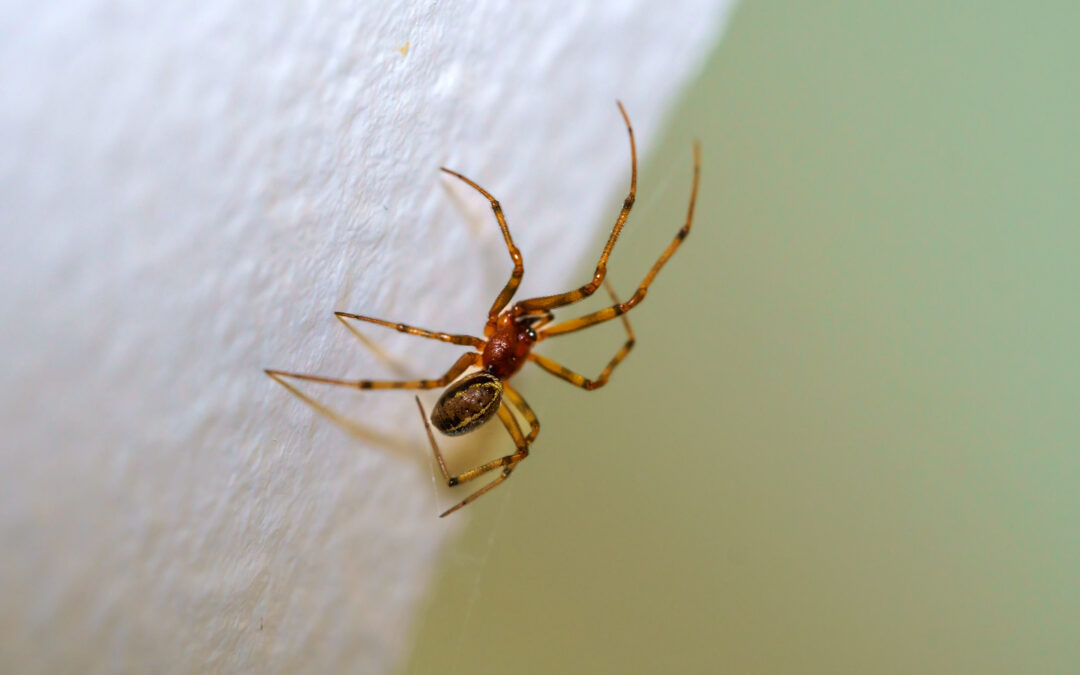
Spiders enter St. George homes for practical reasons. They follow food, shelter, moisture, and quiet places where they can stay undisturbed. In Southern Utah, the desert climate can make this pattern more noticeable because outdoor conditions change quickly. Hot afternoons, cooler nights, monsoon moisture, dry spells, and seasonal insect activity all influence where spiders settle.
A spider sighting does not always mean a large infestation, but repeated webs, egg sacs, or indoor movement should be taken seriously. The most effective spider control begins by understanding what is attracting them in the first place. When the surrounding conditions are addressed, the home becomes less inviting, and the problem is easier to manage with precision.

Insects Create A Steady Food Source
Spiders are predators, so their presence often points to other pest activity nearby. If ants, cockroaches, mosquitoes, flies, scorpions, bed bugs, termites, or other insects are active around the property, spiders may follow. They do not need crumbs or pantry items. They need prey.
- Exterior lights can draw flying insects close to doors, windows, and patios.
- Standing water or damp areas can support mosquitoes and other small pests.
- Trash areas, pet bowls, and food residue can increase insect activity.
- Dense vegetation near walls can give insects and spiders protected cover.
This is why treating spiders alone may not solve the pattern. A property with steady insect activity gives spiders a reason to stay. Professional inspection helps identify whether the real issue is the spider population, the prey drawing them in, or both.
Entry Gaps Make Movement Easy
Spiders can slip through small openings around a home. Gaps beneath doors, damaged screens, unsealed utility penetrations, foundation cracks, attic vents, and garage edges can all become entry routes. Once indoors, they often move toward corners, storage areas, closets, wall voids, and low-traffic rooms.
St. George homes can also have transition points where desert landscaping, garages, block walls, and patios meet the structure. These edges can support outdoor activity before pests move inside. When homeowners rely only on surface-level products, hidden access points may remain untouched.
This is where information about hidden infestations becomes relevant. Spiders, scorpions, cockroaches, rodents, and other pests may use concealed routes that are not obvious from one visible sighting. A thorough service approach looks beyond the web and studies how pests are entering and moving.
Weather Changes Push Spiders Indoors
St. George weather can shift pest behavior throughout the year. Heat may drive spiders and insects toward shaded walls, garages, crawl areas, and cooler indoor spaces. Cooler months may push activity into protected areas. Rain and moisture can increase insect movement, which can indirectly attract spiders.
- Summer heat can make shaded entry points and garages more attractive.
- Sudden rain can flush insects from outdoor shelter and increase hunting activity.
- Cooler nights can encourage pests to seek protected indoor spaces.
- Dry conditions can pull insects and spiders toward water sources.
Weather does not create spiders from nowhere, but it changes where they are comfortable. When conditions outside become stressful, or prey moves closer to the home, spider activity can follow. Year-round awareness matters because St. George pests do not always follow a simple seasonal schedule.
Clutter And Quiet Spaces Offer Shelter
Spiders prefer places where they are not constantly disturbed. Garages, sheds, closets, attics, storage rooms, crawl spaces, and corners behind furniture are common locations. Boxes, stacked items, outdoor gear, holiday decorations, and unused materials can create excellent hiding spots.
Webs are often found where air movement is low and foot traffic is limited. Egg sacs may be tucked under shelving, behind stored items, or in garage corners. In outdoor areas, clutter near walls can also provide shelter for spiders, insects, scorpions, and rodents.
Weather patterns can make these shelter points more important. Guidance on local pest activity shows why changes in temperature and moisture can affect where pests gather. When shelter and prey are available together, spiders have little reason to leave.
Exterior Conditions Keep Pressure Returning
Long-term spider reduction depends on the outside environment as much as the inside. A clean living room may still have recurring spiders if the patio, garage, lighting, vegetation, or foundation line continues to attract prey and provide harborage.
- Trim plants away from walls, windows, and rooflines when growth becomes dense.
- Reduce debris, wood piles, and unused materials near the structure.
- Check door sweeps, screens, vents, and garage seals for gaps.
- Keep exterior lighting thoughtful to limit insect buildup near entry points.
The most efficient plan connects interior sightings with exterior conditions. Spiders may be the most visible pest, but their presence can reflect broader activity involving insects, scorpions, rodents, termites, or other pests listed in local service concerns. Professional spider control helps identify source areas, apply targeted treatment, and reduce conditions that invite repeat activity.
Keep Spiders From Feeling At Home
For careful inspection, targeted treatment, and year-round prevention support, contact Preventive Pest Control, for help with spider concerns.