
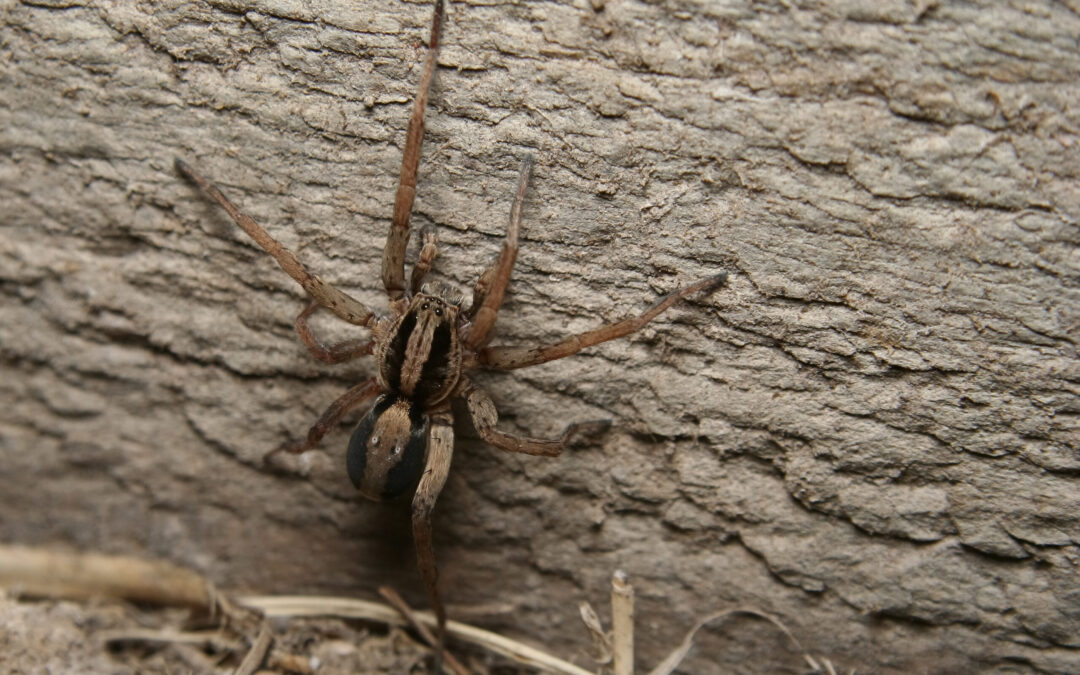
Desert spiders are a normal part of Southern Utah’s ecosystem, but repeated indoor sightings can become unsettling and may point to conditions around the property that support more activity. In St. George and nearby areas, species such as black widows, wolf spiders, hobo spiders, and desert recluse spiders are among the spiders homeowners may encounter. Most spiders are not looking for people. They are usually following food, shelter, moisture, and quiet spaces.
Understanding desert spiders means looking beyond the web itself. Spiders are predators, so their presence often reflects insect activity nearby. Exterior lighting, irrigation, dense vegetation, garages, patios, storage rooms, and structural gaps can all influence where they settle. Professional inspection helps determine whether a few isolated spiders are present or whether recurring activity is connected to a broader pest problem.
Food Sources And Shelter Can Keep Spiders Close
Spiders stay where prey is available. Ants, cockroaches, mosquitoes, flies, and other insects can create a steady food source around homes, especially near lights, landscaping, and damp areas. When prey remains abundant, spiders have little reason to leave.
Common attractants include:
- Exterior lights that draw flying insects near doors and windows
- Irrigated landscaping that supports insects close to the foundation
- Dense shrubs or groundcover that provide shade and protected movement
- Garages, sheds, closets, and storage rooms with low foot traffic
- Boxes, stacked materials, and outdoor clutter that create hiding places
- Cracks, vents, and gaps that make indoor access easier
A closer look at spider attractants shows why treating the spider alone may not solve the pattern. If insect activity remains high, new spiders can continue moving into the same areas.
Professional service is most effective when it addresses both the spider activity and the conditions attracting prey.
Common Desert Spiders Behave Differently Around Homes
Not every spider found in Southern Utah presents the same level of concern. Some remain outdoors and help control insects, while others are more likely to settle in garages, basements, crawl spaces, storage areas, or other sheltered locations.
Homeowners may encounter:
- Black widows in dark, protected areas such as garages, sheds, and cluttered corners
- Wolf spiders moving across floors or outdoor surfaces while hunting prey
- Hobo spiders around low-traffic spaces, cracks, and ground-level shelter
- Desert recluse spiders in dry, secluded areas with limited disturbance
- Web-building spiders near lights, eaves, patios, and insect-rich exterior zones
- Hunting spiders that wander indoors without building obvious webs
The overview of Utah spider species is useful because appearance, behavior, and preferred shelter vary. Correct identification helps determine whether the spider is simply an occasional visitor or whether repeated sightings deserve closer attention.
Homeowners should avoid handling unfamiliar spiders directly. Professional identification is especially useful when medically significant species may be present or when multiple spiders are appearing in the same areas.
Entry Points And Seasonal Pressure Can Increase Indoor Sightings
St. George’s desert climate can shift spider activity throughout the year. Extreme heat may push spiders and their prey toward shaded walls, garages, and cooler indoor spaces. Monsoon moisture can increase insect activity, while cooler nights can make protected areas more attractive.
Professionals may inspect:
- Door sweeps and garage seals with visible gaps
- Damaged window or vent screens
- Utility penetrations around pipes, wires, and exterior equipment
- Foundation cracks and wall-to-patio transitions
- Eaves and exterior corners with repeated web activity
- Vegetation or stored materials touching the structure
Long-term spider reduction often depends on making these routes less accessible while also reducing insect prey. Web removal can improve visibility, but recurring webs may indicate that the surrounding environment is still favorable.
Outdoor conditions matter just as much as indoor ones. Rock landscaping, block walls, irrigation boxes, patios, and shaded foundation edges can support insects and spiders before they ever enter the house. Regular monitoring helps technicians see whether pressure is concentrated outside or whether spiders have established indoor harborages.
The strongest approach is not to assume that every spider sighting means an infestation. One wandering spider may be incidental. Repeated webs, egg sacs, frequent indoor sightings, or activity in several rooms suggest a pattern that deserves professional evaluation.
Professional spider control can include inspection, targeted treatment, web removal, entry-point review, and ongoing monitoring. The goal is to reduce activity where people live while also addressing the prey, shelter, and access conditions that keep spiders returning.
Homeowners should also remember that broad spraying alone may not provide lasting results. If exterior lights continue drawing insects, vegetation remains dense against the home, or gaps stay open around doors and utility lines, spider pressure can return. A property-specific plan is more effective because it treats the home and surrounding environment as one connected system.
Desert spiders are part of life in Southern Utah, but they do not have to become a recurring indoor problem. Understanding which species are present, what attracts them, and where they are entering gives homeowners a clearer path toward long-term control.
Keep Desert Spider Activity From Moving Indoors
If you are seeing repeated webs, egg sacs, or unfamiliar spiders around your home, contact Preventive Pest Control for professional inspection, targeted spider control, entry-point review, and year-round prevention.