
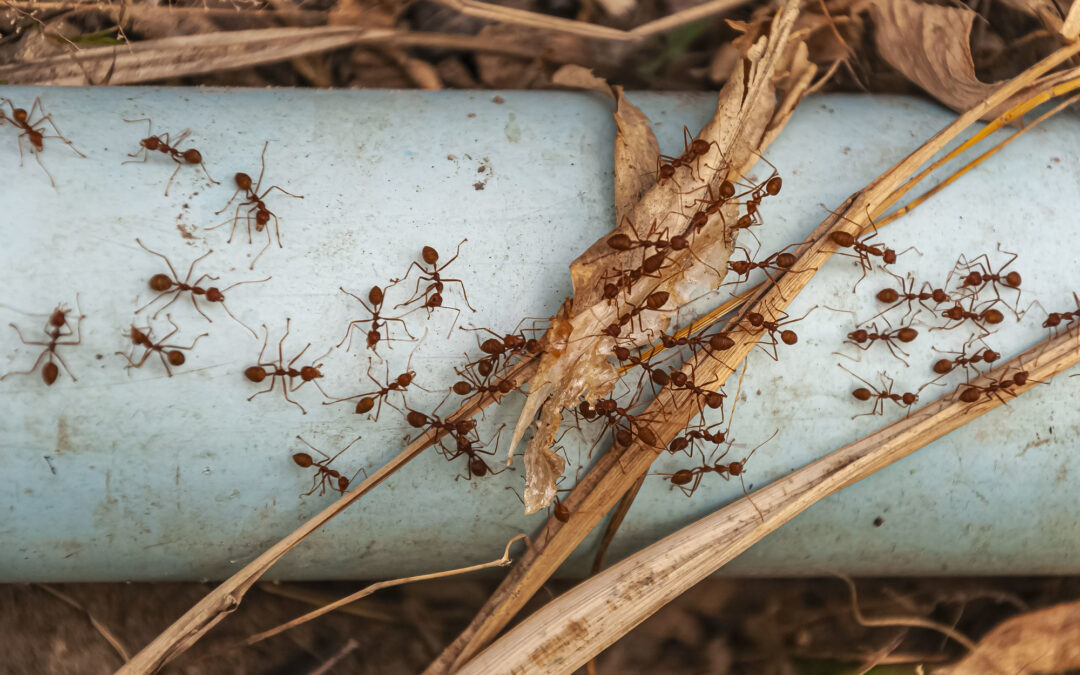
Ant activity often becomes more noticeable as summer temperatures rise. In Southern Utah, heat, dry soil, irrigation, and shifting food sources can push colonies to forage farther and search more aggressively around homes.
Effective pest control starts with understanding that visible ants may represent only a small portion of a larger colony. Summer conditions can draw ants closer to structures, making early inspection, source-focused treatment, and prevention especially important.
Heat And Dry Conditions Push Ants Toward Homes
Hot weather changes where ants look for water and food. When natural moisture becomes limited, irrigated landscapes and indoor areas can become dependable resources. Worker ants may travel long distances from the nest once they find a reliable source.
Common summer attractants include:
- Irrigation that keeps soil damp near foundations
- Leaking hose bibs, faucets, or plumbing fixtures
- Food crumbs and residue around kitchens or patios
- Pet food and water left accessible for long periods
- Trash containers with food or sugary residue
- Cracks that provide easy access to cooler indoor spaces
Preparing for peak pest season means paying attention to these conditions before activity increases. In a desert climate, even small moisture sources can become especially attractive when outdoor soil is hot and dry.
Ant Trails Can Grow Faster Than Homeowners Expect
A few ants can quickly turn into a steady trail because workers communicate through chemical signals. Once a scout locates food or water, other ants can follow the same path and reinforce it, creating repeated traffic between the resource and the colony.
This can make an ant problem appear sudden even when the colony has been active nearby for some time. Trails may form along baseboards, countertops, windows, foundations, or plumbing routes.
Surface-level removal may interrupt the visible trail temporarily, but it does not necessarily affect the nest. Ants can adjust their route, use another opening, or continue foraging from a colony hidden beneath soil, concrete, landscaping, or structural spaces.
Professional inspection helps identify where the trail leads and whether one colony or several pressure points are involved.
Entry Points Become More Important During Peak Activity
As colonies forage more actively, small structural gaps become useful pathways indoors. Ants need little space to move through cracks around doors, windows, foundations, and utilities.
High-risk access areas often include:
- Worn weather stripping around exterior doors
- Gaps around windows and sliding-door frames
- Utility lines entering through exterior walls
- Cracks where patios or walkways meet foundations
- Garage thresholds with incomplete seals
- Openings around plumbing or irrigation connections
Exclusion can reduce access, but sealing one opening rarely solves an established problem. Ants may already be indoors or may locate another route if the colony remains nearby.
Long-term control works best when entry-point correction is combined with source-focused treatment and changes to the conditions drawing ants toward the structure.
Hidden Colonies Make Summer Problems Harder To Eliminate
Ant colonies can remain concealed in soil, wall voids, landscaping, under concrete, or other protected locations. That hidden structure is one reason repeated treatments aimed only at visible workers may produce disappointing results.
The limitations of surface-only treatment become more apparent when summer activity is high. Visible ants may decline briefly while the colony remains active and continues producing workers.
Different ant species behave differently, affecting where colonies are located and how treatment should be applied. Fire ants may establish outdoor colonies, while other ants may create persistent indoor trails toward food and moisture.
Accurate identification helps determine whether treatment should focus on nesting zones, trails, exterior pressure, entry points, or a combination of factors. This precision is more efficient than repeatedly reacting to individual ants as they appear.
Long-Term Pest Control Targets The Colony And Conditions
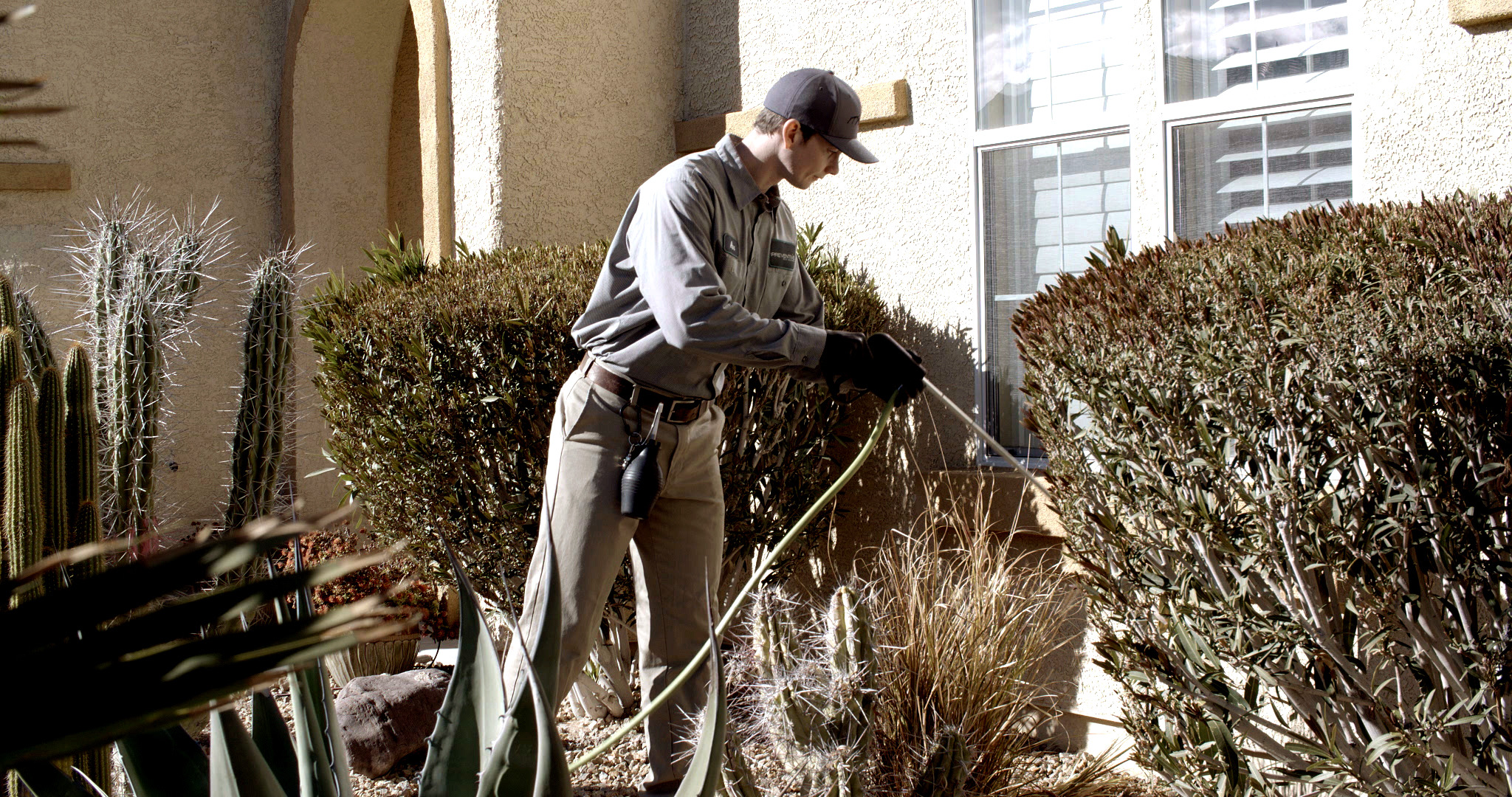
Summer ant problems are most manageable when treatment addresses both the colony and the environment supporting it. A complete strategy looks beyond the visible trail and considers food, water, access, nesting locations, and seasonal movement together.
A professional plan may include:
- Identifying the ant species before selecting treatment
- Tracking trails toward likely nesting or entry areas
- Reducing moisture and food sources near the structure
- Treating active zones based on confirmed colony pressure
- Correcting gaps that support repeated indoor access
- Following up when trails return, shift, or remain active
Southern Utah summer conditions can keep ant pressure high. Irrigation, heat, and dependable indoor resources may continue drawing workers toward the property even after visible activity decreases.
Professional pest control adds value by connecting these clues instead of treating each sighting as an isolated event. Inspection can reveal whether the issue is a single trail, a nearby exterior colony, or a more established pattern requiring targeted follow-up.
The goal is not simply to make ants disappear briefly. Effective control reduces the source and conditions that allow the problem to return throughout summer.
Stop Summer Ant Pressure At The Source
If ant trails keep returning as temperatures rise, contact Preventive Pest Control for professional inspection, targeted pest control, prevention, and follow-up tailored to Southern Utah conditions.