
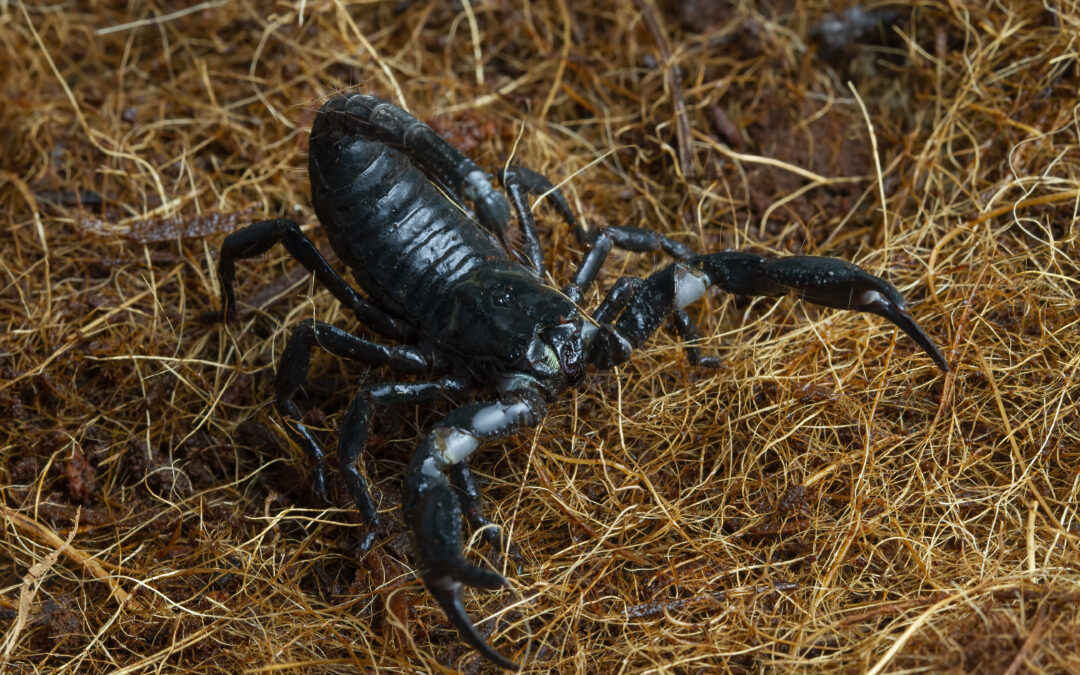
Utah summers change the way desert pests behave. In St. George and nearby Southern Utah communities, scorpions become more active as temperatures rise, soil dries out, and outdoor hiding places become less comfortable. They are not entering homes for convenience. They usually follow survival needs such as shade, moisture, shelter, and food.
Scorpions are especially unsettling because they hide well. They may slip into garages, bathrooms, laundry rooms, shoes, towels, storage areas, and wall edges before anyone notices activity. Since their movement often overlaps with ants, cockroaches, spiders, rodents, mosquitoes, termites, earwigs, and bed bugs in the same warm-weather environment, scorpion control works best when the whole property is evaluated carefully.
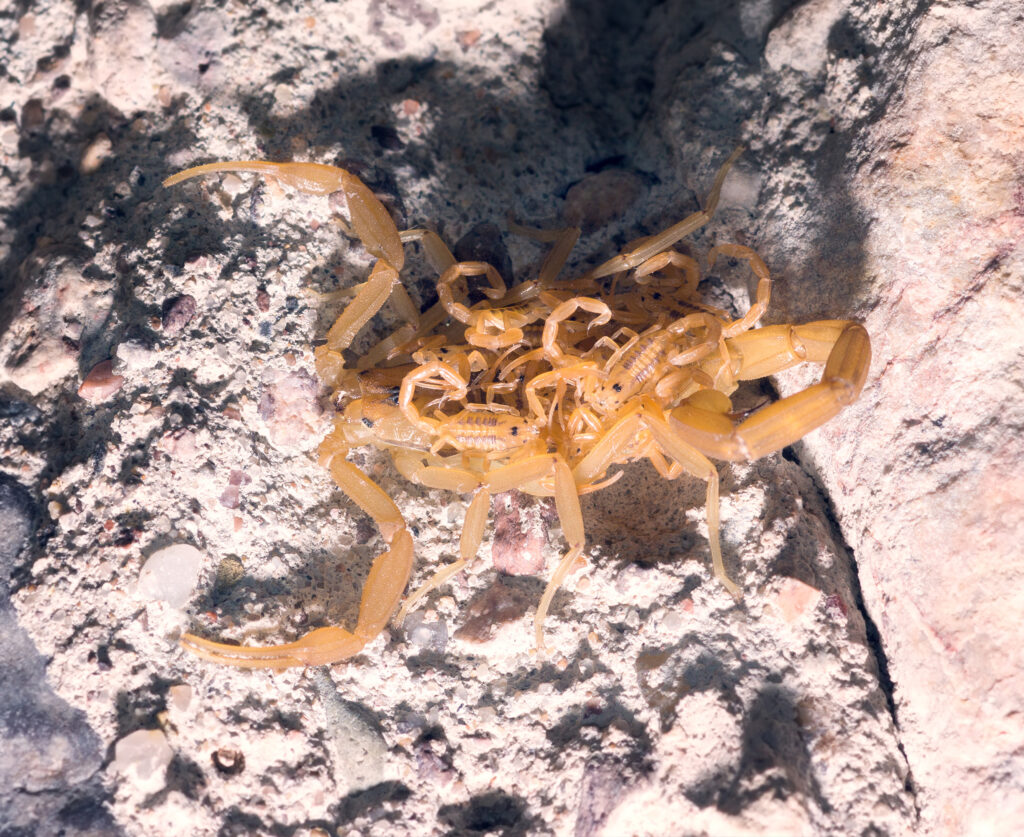
Heat pushes scorpions toward cooler shelter
Scorpions are built for desert conditions, but extreme heat still affects where they rest and hunt. During the day, they avoid direct sun and look for shaded, protected spaces. Around homes, those spaces can include block walls, patios, garages, crawl spaces, stacked materials, landscape borders, and cracks near the foundation.
As spring activity builds into summer pressure, homeowners may notice more movement near doors, baseboards, and exterior walls. A helpful look at spring pests explains how warmer months increase movement from common Southern Utah pests before summer reaches its harshest point.
- Shade: Scorpions hide under rocks, boxes, patio items, firewood, and clutter during high-heat hours.
- Gaps: Openings around doors, vents, utility lines, and garage seals can give scorpions quiet access.
- Moisture: Bathrooms, laundry rooms, irrigation edges, and damp corners may attract pest activity.
- Prey: More insects around the home can pull scorpions closer while they hunt at night.
Night activity makes sightings harder to predict
Scorpions are mostly nocturnal, which means their movement often happens while the household is asleep. A home may seem clear during the day, then produce sightings at night near thresholds, garages, bathrooms, or hallways. This delayed visibility makes scorpion problems difficult to judge by casual observation alone.
They also move through tight spaces. Small cracks, unfinished seals, and hidden exterior gaps can be enough for entry. Once indoors, they look for quiet, low-disturbance areas where they can remain hidden.
- Garages: Stored items, tools, boxes, and concrete edges create cool resting spots.
- Bathrooms: Moisture and darkness can make bathrooms attractive during dry summer conditions.
- Closets: Shoes, towels, and floor-level storage can hide scorpions until disturbed.
- Patios: Outdoor lighting can attract insects, which may bring scorpions closer to living areas.
This is why professional inspection is valuable. Technicians look beyond the single sighting and evaluate surrounding pest pressure, entry points, harborage zones, and treatment needs.
Yard conditions can invite scorpions closer
The landscape around a home can quietly shape scorpion activity. Desert yards, decorative rock, block walls, irrigation lines, thick shrubs, potted plants, and stored outdoor materials all create possible hiding areas. If insects are active in those same places, scorpions may remain nearby because food is available.
Scorpion activity is often connected to other pest patterns. Ants and cockroaches can gather near food or moisture. Spiders appear where insects are abundant. Rodents use sheltered routes. Earwigs hide in damp spaces. Mosquitoes develop around standing water. Termite concerns may begin in wood-to-soil or moisture-affected areas. Bed bugs require a different indoor approach, which is why accurate identification matters.
A prepared property is easier to inspect and treat. Clearing clutter, reducing damp hiding places, and keeping walls, doors, and garages accessible helps reveal activity. Still, scorpions are difficult to manage with surface-level effort because they hide deeply, travel at night, and respond to changing weather.
Weather shifts keep pest pressure moving
St. George weather can shift quickly from warm spring days to intense summer heat, dry spells, sudden rainfall, or irrigation-heavy periods. These changes affect how pests search for water, food, and shelter. The same pattern that increases ants, spiders, cockroaches, rodents, mosquitoes, termites, and earwigs can also increase scorpion movement around homes.
This guide on weather changes explains how seasonal conditions influence pest behavior throughout the year. Scorpions are part of that wider weather-driven pattern, which is why long-term prevention needs consistent attention instead of a one-time response.
- Temperature: Extreme heat can push scorpions into shaded, cooler, more stable spaces.
- Dryness: Lack of outdoor moisture may increase movement toward bathrooms, laundry areas, and irrigation zones.
- Rain: Sudden moisture can disturb hiding places and shift pest movement around the home.
- Seasons: Activity can rise as spring warms, continue through summer, and change again with cooler nights.
Professional scorpion control looks beyond the scorpion seen indoors. It reviews entry points, exterior pressure, hiding areas, insect activity, moisture sources, and repeat movement patterns. That broader view helps reduce returning activity.
For Utah homeowners, the best approach is early awareness and steady prevention. When scorpions begin appearing indoors, the issue may already involve several connected areas outside and inside the home.
Keep Scorpions From Settling In
For professional scorpion control, full-service pest treatments, termite protection, rodent support, bed bug solutions, and commercial pest management, contact Preventive Pest Control, for dependable local service.